Maintaining Your Voice: Writing Across Multiple Genres Successfully
MyAuthorVoice Editorial
Writing craft & author identity
Many serious writers aspire to explore diverse literary landscapes, yet a common apprehension is the fear of diluting one's unique creative identity when venturing beyond a familiar genre. This concern is valid; the demands of different genres can seem to pull a writer in disparate directions, potentially obscuring the very essence of their artistic contribution. Understanding how to navigate this challenge is crucial for sustained creative output and growth.

Maintaining Your Voice: Writing Across Multiple Genres Successfully
Successfully writing across multiple genres involves understanding that your core creative identity—comprising your unique perspective, recurring thematic interests, and characteristic narrative approach—is distinct from genre conventions and can be consistently woven into diverse literary landscapes without dilution. By focusing on your inherent authorial voice and thematic resonance, you can explore new genres while strengthening your recognizable literary signature. This approach allows authors to expand their creative horizons and reach new audiences without sacrificing their unique artistic fingerprint.
Many serious writers aspire to explore diverse literary landscapes, yet a common apprehension is the fear of diluting one's unique creative identity when venturing beyond a familiar genre. This concern is valid; the demands of different genres can seem to pull a writer in disparate directions, potentially obscuring the very essence of their artistic contribution. Understanding how to navigate this challenge is crucial for sustained creative output and growth. It's not about abandoning who you are as a writer, but rather discovering how your unique self can manifest in new and exciting forms.
The literary world often encourages specialization, leading many authors to believe they must pick a lane and stick to it. While there are undeniable benefits to genre mastery, such as building a dedicated readership and deep expertise, limiting oneself to a single genre can also stifle creative exploration and limit an author's long-term artistic development. The truth is, many celebrated authors throughout history have successfully traversed multiple genres, from Margaret Atwood's shifts between dystopian fiction, historical novels, and essays, to Stephen King's forays into fantasy, horror, and crime thrillers. Their success isn't due to abandoning their voice, but rather understanding how to adapt and project it across different narrative frameworks.
This article will guide you through a strategic approach to maintaining and even strengthening your authorial voice while writing across multiple genres. We'll explore how to identify your core creative identity, leverage thematic consistency, understand the adaptability of your unique voice, and employ practical strategies for genre-hopping without losing yourself.
Defining Your Core Creative Identity
Before attempting to write across multiple genres, a writer must first possess a clear understanding of their fundamental creative identity. This is not about genre preference, but rather the intrinsic qualities that define your storytelling. Your core creative identity encompasses your unique perspective on the world, the types of questions you inherently explore, your characteristic narrative style, and the emotional resonance you consistently aim for. It's the "you" in your writing, the signature that would be recognizable even if your name weren't on the cover. Think of it as your authorial DNA.
To truly define this, you might ask yourself: What themes do I return to repeatedly, even subconsciously? What kind of characters do I gravitate towards creating? What emotional impact do I most often want to leave with my readers? Do I lean towards humor, introspection, suspense, or philosophical inquiry? Understanding these foundational elements is the first step in ensuring your voice remains consistent, no matter the genre you choose to explore. This deep self-reflection is a critical exercise for any author looking to build a lasting career and a recognizable brand.
Identifying Your Thematic Fingerprint
Every author has a unique thematic fingerprint—a set of recurring ideas, questions, or concerns that surface in their work regardless of the plot or setting. For some, it might be the exploration of power dynamics, for others, the struggle for identity, or perhaps the nature of grief and resilience. Identifying these core themes is paramount because they act as anchors for your voice. When you move from a historical romance to a science fiction novel, the external trappings change, but your underlying thematic concerns can remain constant, providing a through-line for your authorial identity.
For example, an author whose thematic fingerprint centers on "the individual's struggle against societal expectations" could write a historical novel about a woman defying Victorian norms, a fantasy novel about an outcast hero challenging a rigid magical hierarchy, or a contemporary drama about a teenager navigating peer pressure. The genre changes, but the core thematic concern—and thus a part of the author's voice—remains. This consistency reassures readers that they are engaging with the same author, even if the world they are entering is entirely new.
Analyzing Your Narrative Style and Tone
Beyond themes, your narrative style and tone are crucial components of your voice. Are you known for crisp, concise prose, or do you favor lyrical, descriptive language? Is your tone typically witty and sarcastic, or somber and reflective? Do you prefer a fast-paced, plot-driven narrative, or a more introspective, character-driven approach? These stylistic choices are deeply ingrained and often transcend genre boundaries.
Consider an author with a distinctly humorous and satirical tone. They might apply this tone to a cozy mystery, a dystopian satire, or even a comedic fantasy. The humor is their signature, adaptable to various settings and plots. Similarly, an author known for their deeply psychological character studies can bring that same intensity and insight to a literary fiction novel, a psychological thriller, or even a dark fantasy. Recognizing and articulating these stylistic tendencies allows you to consciously carry them into new genres, ensuring your work retains its unique flavor.
A Strategic Framework for Genre-Hopping
Successfully navigating multiple genres requires a deliberate, step-by-step approach. It's not about randomly jumping between genres, but about understanding how your inherent authorial traits can be adapted and expressed within different genre frameworks.
Step 1: Deep Dive into Your Authorial Core
Before even considering a new genre, spend dedicated time analyzing your existing work or your creative inclinations. What are the undeniable patterns? List your top 3-5 recurring themes. Describe your typical narrative voice in 3-5 adjectives (e.g., "witty," "somber," "observational," "urgent"). Identify your preferred character archetypes and plot structures. This self-assessment forms the bedrock upon which you'll build your multi-genre strategy, ensuring you know what elements of your voice are non-negotiable.
Step 2: Research and Deconstruct the Target Genre
Once you have a clear understanding of your core, choose a new genre that genuinely excites you. Read widely within that genre, not just for enjoyment, but for analysis. Identify its core conventions, common tropes, expected reader experience, and stylistic norms. Understand what readers expect from this genre and what makes it distinct. This research phase is crucial for learning the "rules" before you can intelligently bend or break them with your unique voice.
Step 3: Identify Points of Synergy and Adaptation
With your authorial core defined and the target genre deconstructed, look for natural intersections. How can your recurring themes be explored within this new genre's framework? How might your characteristic narrative style be adapted to meet genre expectations without being diluted? For instance, if you write gritty realism and want to try fantasy, perhaps your gritty realism can manifest as a more grounded, less fantastical approach to magic and world-building, focusing on the harsh realities of a fantastical world. This step is about finding the "sweet spot" where your voice and the genre's demands harmoniously coexist.
Step 4: Experiment with "Low-Stakes" Projects
Don't jump straight into a full-length novel in a new genre. Start with short stories, novellas, or even detailed outlines. This allows you to experiment with applying your voice to new conventions without the pressure of a major commitment. These smaller projects serve as a laboratory, helping you discover what works, what feels authentic, and where you might need to adjust your approach. It’s a space for trial and error, where you can refine your genre-bending techniques.
Step 5: Seek Diverse Feedback and Refine
Once you have experimental pieces, seek feedback from readers familiar with your existing work AND readers who are genre enthusiasts. Ask specific questions: "Does this still sound like me?" "Does this meet the expectations of a [new genre] reader?" "Where does my voice feel strongest/weakest in this new context?" Use this feedback to refine your approach, ensuring that your unique voice shines through while still satisfying genre conventions. This iterative process is key to successfully bridging genres.
Comparing Approaches to Multi-Genre Writing
Here's a comparison of different strategies authors might employ when venturing into new genres:
| Feature/Strategy | "Voice as Anchor" Approach (Recommended) | "Genre-First" Approach (Less Recommended) | "Pen Name Persona" Approach | "Hybrid Blending" Approach |
|---|---|---|---|---|
| Primary Goal | Maintain core authorial identity across diverse genres. | Master genre conventions, potentially at the cost of distinct voice. | Create entirely new identities for different genres. | Fuse elements of two or more genres into a new form. |
| Voice Consistency | High – core themes, style, and tone are intentionally carried over. | Low – voice may adapt entirely to genre norms, becoming generic. | Varies – each pen name has its own distinct voice. | Moderate to High – original voice is present, but adapted to new blend. |
| Reader Experience | Familiar "feel" despite new setting/plot; recognizable author. | May feel like a different author; inconsistent reader expectations. | Clear distinction between authors; readers know what to expect from each. | Unique experience; attracts readers open to novelty. |
| Brand Impact | Strengthens overarching author brand; shows versatility. | Can confuse existing readers; might dilute primary brand. | Divides brand; requires separate marketing for each persona. | Creates a niche brand; can be highly compelling if executed well. |
| Creative Freedom | High – freedom to explore new settings while staying true to self. | Limited by strict genre rules; less room for personal style. | High – complete reinvention for each genre. | High – freedom to innovate and break traditional boundaries. |
| Marketing Challenges | Explaining genre shifts to existing audience; positioning new works. | Rebuilding audience for each new genre; overcoming "unknown author" hurdle. | Managing multiple author brands; avoiding self-competition. | Educating readers on new sub-genre; finding target audience. |
| Typical Author | Stephen King (horror, fantasy, crime), Margaret Atwood (dystopian, historical, essays) | Authors aiming for commercial success in a specific, narrow market. | Nora Roberts (romance, J.D. Robb for thrillers). | Emily St. John Mandel (literary post-apocalyptic), Jeff VanderMeer (weird fiction). |
Case Study: Sarah's Journey from Contemporary Romance to Fantasy
Before: Sarah was a successful contemporary romance author, known for her witty dialogue, relatable characters, and stories that explored themes of self-discovery and vulnerability. Her prose was light, engaging, and often infused with a touch of humor. Readers loved her for the emotional depth she brought to everyday relationships and the authentic voice of her protagonists. She had a dedicated following, but felt a creative itch to explore the epic fantasy novels she devoured in her spare time. Her fear was that venturing into dragons and magic would alienate her existing readers and force her to abandon the very qualities that made her writing unique.
After: After much deliberation and applying the "Voice as Anchor" approach, Sarah decided to write a fantasy novel. She realized her core themes of self-discovery and vulnerability were universal. Instead of a modern woman finding her voice in a corporate setting, her fantasy protagonist was a young mage struggling with her identity in a world that feared magic. Sarah retained her signature witty dialogue, adapting it to the fantasy setting by giving her characters a dry, often sarcastic, sense of humor that cut through the epic grandeur. Her prose, while still engaging, became slightly more descriptive to build the fantastical world, but she avoided overly dense exposition, keeping her narrative pace reader-friendly.
The result was Whispers of the Wyvern, a fantasy novel that felt fresh yet familiar to her existing readership. Reviews from her romance fans praised the emotional depth and character-driven narrative, noting, "It's fantasy, but it still feels like a Sarah [Last Name] book." New fantasy readers were drawn to the unique blend of humor and heartfelt character development. Sarah successfully maintained her authorial voice by focusing on her thematic fingerprint and adapting her stylistic tendencies, proving that her unique creative identity could thrive in a completely new genre. Her next project is a historical mystery that will explore similar themes of societal expectations and individual agency, further cementing her multi-genre appeal.
Practical Strategies for Genre-Hopping
1. Identify Your Non-Negotiables
What aspects of your writing voice are absolutely essential and cannot be compromised? This might include a particular narrative perspective (e.g., first-person, intimate third-person), a certain level of prose complexity, or a specific emotional range. For example, if you are known for dark, psychological thrillers and want to write a children's book, your non-negotiable might be a strong emotional core, but the darkness and psychological depth would need to be significantly adapted. Understanding these boundaries helps you determine how far you can stretch your voice without breaking it. This is not about being rigid, but about understanding the core elements that make your writing yours.
2. Learn the Genre's Language and Rhythms
Each genre has its own lexicon, pacing, and structural expectations. A hard-boiled detective novel will have a different cadence than a sprawling epic fantasy. Researching and internalizing these elements is crucial. This doesn't mean you have to mimic them perfectly, but you must be aware of them. For instance, if you're writing a mystery, understanding the expected beats of clue-dropping, red herrings, and the eventual reveal is vital. You can then infuse your unique voice within these established structures. Ignoring genre conventions altogether risks alienating genre readers who expect certain elements from their chosen reading experience.
3. Embrace Adaptability, Not Abandonment
Think of your voice as a chameleon, not a fixed statue. It can change its colors and textures to blend into new environments while still remaining the same creature underneath. Your witty dialogue might become sharper and more cynical in a noir novel, or more playful and adventurous in a young adult fantasy. Your penchant for detailed world-building could apply to a fictional historical setting just as easily as a futuristic dystopia. The key is to adapt your existing strengths to the new genre's demands, rather than abandoning them in an attempt to completely conform. This balance is delicate but essential for maintaining authenticity.
4. Leverage Subgenres for Easier Transitions
Sometimes, a direct leap from one genre to another can feel too jarring. Consider exploring subgenres that act as bridges. If you write literary fiction and want to try science fiction, "speculative fiction" or "cli-fi" (climate fiction) might be a more natural entry point, as they often share literary qualities and thematic depth. If you write cozy mysteries and want to try romance, a "romantic suspense" novel could blend elements of both. These transitional subgenres allow you to gradually introduce your voice to new genre conventions, making the shift smoother for both you and your readers.
5. Create a "Voice Style Guide" for Yourself
Document the key characteristics of your authorial voice. What are your common sentence structures? Your preferred vocabulary range? Your typical use of figurative language? Your approach to dialogue? Having a personal style guide can serve as a reference point when you're writing in a new genre, helping you ensure that even amidst new settings and plots, your fundamental stylistic choices remain consistent. This guide isn't meant to restrict you but to remind you of the elements that define your unique writing signature.
6. Read Widely and Eclectically, But Critically
Beyond reading within your target genre, continue to read widely across many genres. Pay attention to how different authors maintain their voice across diverse works or how they adapt it for specific projects. Read critically: what elements make a particular author's voice recognizable? How do they handle genre conventions? This broad exposure enriches your understanding of storytelling and provides inspiration for how you might integrate your own voice into new narrative forms. Consider picking up a copy of Recommended: The Art of Fiction: Notes on Craft for Young Writers by John Gardner, which offers timeless insights into storytelling craft applicable across all genres.
7. Understand Your Audience's Expectations (and How to Subvert Them)
Each genre comes with a set of reader expectations. Romance readers expect a happily ever after (or at least a happy for now). Thriller readers expect suspense and a satisfying resolution. Understanding these expectations is crucial. Your voice isn't about ignoring them, but about fulfilling them in a way that is uniquely yours. Perhaps you deliver a poignant happily ever after with your signature melancholic tone, or a thrilling climax with your characteristic philosophical undertones. This is where your voice truly shines—by meeting expectations with an unexpected, personal flair.
The Power of Consistency: Why It Matters
Maintaining your voice across genres isn't just an artistic exercise; it's a strategic move for your author career. Readers who connect with your voice in one genre are more likely to follow you into another if they recognize that unique quality. This builds a loyal readership that trusts your storytelling, regardless of the specific setting or plot. It creates a brand, a recognizable literary signature that transcends individual books.
Moreover, exploring different genres can invigorate your writing. It challenges you to approach your core themes and stylistic choices from new angles, preventing stagnation and fostering creative growth. It's an opportunity to discover new facets of your own voice you might not have realized existed, ultimately strengthening your overall authorial identity. For more insights on developing a strong author brand, check out our blog post on Building Your Author Brand [blocked].
Frequently Asked Questions
Q: Can I really write in multiple genres without confusing my readers? A: Absolutely. The key is consistency in your authorial voice, not necessarily in genre. If readers recognize your unique perspective, thematic interests, and narrative style, they'll often follow you. Many successful authors, like Neil Gaiman, seamlessly blend genres because their voice is so distinct.
Q: Should I use a pen name if I write in a vastly different genre? A: It depends. If the target audience is drastically different and your existing brand is very strong in one niche, a pen name can prevent confusion. However, if your authorial voice is strong enough to bridge the gap, using your own name can strengthen your overall brand by showcasing your versatility.
Q: How do I know if my voice is strong enough to carry across genres? A: Reflect on feedback you've received. Do readers consistently comment on
Advertisement


As an Amazon Associate and Bookshop.org affiliate, MyAuthorVoice earns from qualifying purchases at no extra cost to you. Bookshop.org supports independent bookstores.
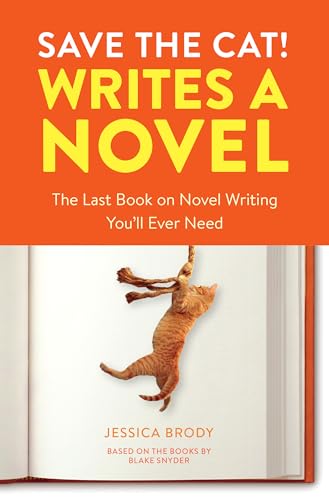
Save the Cat! Writes a Novel
Jessica Brody
The last book on novel writing you'll ever need. Blake Snyder's beat sheet adapted for fiction.
Affiliate link — we may earn a small commission at no extra cost to you.
Sponsored
Frequently Asked Questions
Ready to understand your writing voice?
MyAuthorVoice generates structured reports — Path, Expansion, and Blueprint — that give you a clear picture of your creative identity, thematic range, and writing architecture.
Keep reading
genre demand
Genre Blending for Authors: How to Write Across Categories Without Losing Your Voice
2400+ words
genre demand
Should You Write Fiction or Nonfiction? A Definitive Framework for Writers
3900+ words
genre demand
Should You Write Fiction or Nonfiction? A Definitive Framework for Serious Writers
3900+ words
Advertisement
Get writing insights in your inbox
New articles on voice, craft, and creative identity — no noise, no upsells.

As an Amazon Associate and Bookshop.org affiliate, MyAuthorVoice earns from qualifying purchases at no extra cost to you. Bookshop.org supports independent bookstores.
Sponsored
This site was created by Manus AI — an autonomous agent that builds full-stack apps, writes content, and runs workflows without writing a single line of code yourself.
Try Manus Free →