Point of View Mastery: How Your Narrative Perspective Reveals Your Author Voice
MyAuthorVoice Editorial
Writing craft & author identity
Point of View Mastery: How Your Narrative Perspective Reveals Your Author Voice
Every writer has a unique fingerprint, a distinctive way of seeing and telling stories that sets their work apart. This isn't just about plot or character; it's about the very lens through which your narrative unfolds. Mastering point of view author voice is not merely a technical skill; it's a profound act of self-discovery, revealing the core of who you are as a storyteller. Your choice of narrative perspective—first, second, or third person, and the depth of that perspective—shapes not only how your readers experience your story but also how your unique authorial presence, your voice, shines through. Let's explore how to wield this powerful tool to deepen your craft and reveal the authentic point of view author voice that is uniquely yours.
The Unseen Hand: Understanding Narrative Point of View
Narrative point of view (POV) is the angle from which a story is told. It's the lens through which your readers perceive the events, characters, and emotions within your narrative. It dictates what information is revealed, when it's revealed, and how it's filtered through a particular consciousness. Your choice here is not arbitrary; it's a fundamental decision that profoundly impacts the reader's immersion and connection to your story. It’s also a powerful way to express your unique point of view author voice.
First-Person Perspective: Stepping Into Their Shoes
When you choose a first-person narrator, you invite your reader directly into the mind and experiences of a single character. The story is told using “I” and “me,” offering an intimate, subjective experience. This perspective is unparalleled for building empathy and allowing readers to deeply connect with the narrator’s thoughts, feelings, and biases. It’s a powerful way to showcase a distinct point of view author voice.
Strengths:
- Intimacy and Empathy: Readers experience events directly through the narrator’s eyes, fostering a strong emotional bond.
- Distinct Voice: The narrator’s personality, quirks, and worldview are immediately apparent, making it easy to establish a unique authorial presence.
- Limited Information: The story is confined to what the narrator knows, sees, and feels, creating suspense and mystery.
Challenges:
- Limited Scope: You can only present what the narrator experiences, which can restrict plot development or world-building.
- Reliability: First-person narrators can be unreliable, which can be a strength or a challenge depending on your intent.
- Over-identification: It can be difficult for the reader to distinguish between the narrator’s voice and your own author voice if not handled carefully.
Consider books like J.D. Salinger’s The Catcher in the Rye or Suzanne Collins’ The Hunger Games. Both use first-person to immerse the reader in the protagonist’s immediate, subjective experience, making their individual voices unforgettable. For a deeper dive into crafting compelling characters, you might find The Emotional Craft of Fiction by Donald Maass [https://www.amazon.com/dp/1599633903?tag=seperts-20] to be an invaluable resource.
Second-Person Perspective: You, the Reader, as Protagonist
Less common but incredibly impactful, the second-person perspective directly addresses the reader as “you.” This creates an immediate, immersive, and often unsettling experience, pulling the reader into the narrative as if they are the protagonist. It’s a bold choice that can powerfully highlight a unique point of view author voice.
Strengths:
- Direct Engagement: The reader is directly implicated in the story, fostering a unique sense of participation.
- Unconventionality: Its rarity makes it stand out, leaving a lasting impression.
- Experiential Focus: Excellent for conveying instructions, choices, or a sense of immediate action.
Challenges:
- Difficulty to Sustain: Maintaining this perspective without feeling forced or repetitive can be challenging.
- Reader Resistance: Some readers may find it alienating or prescriptive.
- Limited Emotional Depth: It can be harder to explore complex internal states when constantly addressing the reader.
Think of choose-your-own-adventure books or certain experimental fiction. While rare in long-form narrative, it’s a powerful tool for specific effects. Jay McInerney’s Bright Lights, Big City is a notable example of its effective use. To understand more about narrative structure and how to make unconventional choices work, Story Genius by Lisa Cron [https://www.amazon.com/dp/1607747795?tag=seperts-20] offers excellent insights.
Third-Person Perspective: The All-Seeing Eye (or Not)
The third-person perspective is the most versatile and widely used, telling the story using “he,” “she,” “it,” and “they.” This perspective offers a broader scope and greater flexibility than first or second person, allowing you to control the narrative distance and the depth of insight into characters. It’s a nuanced way to develop your point of view author voice.
Types of Third-Person POV:
-
Third-Person Omniscient: The narrator knows everything—the thoughts, feelings, and motivations of all characters, as well as past, present, and future events. This perspective offers a god-like view, allowing for broad scope and thematic exploration. It’s a classic choice for epic tales and complex narratives, providing ample room for your authorial voice to comment and guide the reader.
-
Third-Person Limited: The story is told through the eyes of a single character, but using third-person pronouns. The narrator only knows what that character knows, sees, and feels. This combines the intimacy of first-person with the flexibility of third-person, allowing for deep character exploration while maintaining a degree of narrative distance. This is a popular choice for many contemporary novels, enabling a focused yet expansive narrative.
-
Third-Person Objective: The narrator acts like a camera, recording only what can be seen and heard, without delving into any character’s thoughts or feelings. This creates a sense of detachment and allows readers to draw their own conclusions. It’s often used in journalism or minimalist fiction, where the author’s voice is deliberately understated.
Strengths:
- Flexibility and Scope: You can move between characters, settings, and timelines with ease.
- Narrative Control: You have precise control over what information is revealed and when.
- Versatility: Adaptable to almost any genre or story type.
Challenges:
- Maintaining Consistency: Especially with omniscient or limited, it’s crucial to maintain a consistent narrative distance and focus.
- Potential for Detachment: If not handled well, third-person can feel less intimate than first-person.
Many literary masterpieces, from Jane Austen’s Pride and Prejudice (omniscient) to J.K. Rowling’s Harry Potter series (limited), demonstrate the power and adaptability of third-person narration. For a comprehensive guide to the art of storytelling, Story by Robert McKee [https://www.amazon.com/dp/0060391685?tag=seperts-20] is an essential read for any aspiring author.
Beyond the Basics: How POV Reveals Your Author Voice
Your choice of point of view is more than a structural decision; it’s a profound declaration of your point of view author voice. It dictates the rhythm, the tone, the emotional landscape, and the intellectual framework of your narrative. Let’s delve into how these choices reveal the unique signature of your writing.
The Rhythmic Pulse: POV and Sentence Structure – Crafting Your Unique Cadence
First-person narratives often lend themselves to more conversational, immediate, and sometimes fragmented sentence structures, mirroring the internal monologue of a character. Think of the stream-of-consciousness style that can emerge, where thoughts tumble onto the page with raw authenticity. This can create a sense of urgency and directness, pulling the reader into the character's immediate experience. The very rhythm of the prose can become a reflection of the character's emotional state or thought process. In contrast, third-person omniscient might allow for more expansive, formal, or descriptive prose, as the narrator has the luxury of distance and a broader perspective. Here, the sentences can be longer, more complex, and laden with rich imagery and philosophical musings, reflecting the narrator's comprehensive understanding of the world. Your natural inclination towards certain sentence rhythms and complexities will often find its home in a particular POV, subtly shaping your author voice. This isn't just about grammar; it's about the musicality of your prose, the cadence that distinguishes your writing from all others. Consider how a rapid-fire, short-sentence approach in first-person can convey anxiety or excitement, while a measured, flowing third-person narrative can evoke a sense of calm authority or deep reflection. This conscious manipulation of rhythm through POV is a hallmark of a truly mastered point of view author voice.
The Emotional Resonance: Tone and Distance – Calibrating Reader Connection
Point of view directly influences the emotional tone of your story. A close first-person perspective can amplify feelings of anxiety, joy, or despair, making them intensely personal for the reader. When you are inside a character's head, their fears become the reader's fears, their triumphs, the reader's triumphs. This creates a powerful, almost visceral connection. A more distant third-person objective view, however, might create a sense of irony, detachment, or even clinical observation. This distance can be used to great effect, allowing the reader to observe events with a critical eye, or to highlight the absurdity of a situation without direct emotional intervention. Your inherent emotional register as a writer—whether you lean towards intimate confession, detached observation, or something in between—will be amplified or tempered by your POV choice, thereby revealing a crucial aspect of your point of view author voice. The emotional landscape you create is not just about what happens, but how it feels, and POV is your primary tool for calibrating that feeling. Are you a writer who thrives on raw, unfiltered emotion, or do you prefer to let your readers interpret and feel for themselves? Your answer to this question will often guide your POV choice and, in turn, define a significant part of your authorial identity.
The Intellectual Framework: Philosophy and Worldview – Projecting Your Unique Vision
Every author brings a unique worldview to their writing. Point of view is the primary vehicle for conveying this. Are you interested in exploring the subjective truth of an individual, the grand tapestry of societal forces, or the objective reality of events? Your choice of POV reflects these underlying philosophical interests. An author fascinated by the intricacies of individual psychology might gravitate towards first-person or third-person limited, allowing for deep dives into character motivation and internal conflict. This perspective allows you to explore the nuances of human thought and emotion, presenting a world filtered through a singular consciousness. Conversely, one concerned with broader social commentary, historical sweep, or the interplay of multiple destinies might prefer third-person omniscient, which grants the freedom to move between minds and across vast landscapes. This allows for a more panoramic view, where the author's philosophical stance on society, morality, or destiny can be woven into the very fabric of the narrative. This alignment between your intellectual curiosity and your narrative perspective is a powerful indicator of your point of view author voice. It's how you project your unique vision of the world onto the page, inviting readers to see through your eyes, even when they are seeing through the eyes of your characters. Your POV choice is, in essence, a statement about what kind of truths you prioritize and how you believe those truths are best revealed.
Choosing Your Weapon: How to Select the Right POV for Your Story
With a clear understanding of how point of view shapes your narrative and reveals your author voice, the next logical step is selecting the right one for your project. This decision is not always straightforward, and what works for one story may not work for another. Here are some key considerations to guide you in choosing the most effective narrative perspective for your work.
Consider Your Genre and Audience
Different genres often have established conventions when it comes to point of view. For example, young adult (YA) fiction frequently uses first-person to create a strong, immediate connection between the reader and the teenage protagonist. Epic fantasy, on the other hand, often employs third-person omniscient to manage a large cast of characters and a sprawling world. While you should never feel constrained by these conventions, it’s important to be aware of them and to understand the expectations of your target audience. If you choose to subvert these expectations, do so with a clear artistic purpose. A romance novel told from a third-person objective perspective, for instance, would be a bold and potentially jarring choice, but it could also be a powerful way to comment on the nature of love and relationships. Your choice of POV should always serve your story first, but a savvy author also considers how that choice will be received by their intended readers.
Align with Your Thematic Goals
Your story’s central themes should be a primary driver of your POV choice. If you are writing a story about the isolating nature of grief, a close first-person or third-person limited perspective could be incredibly effective in immersing the reader in the protagonist’s internal world. If your theme is the interconnectedness of a community, a third-person omniscient narrator who can move between different characters’ perspectives might be a more fitting choice. Before you commit to a POV, take some time to articulate the core themes of your story. Then, ask yourself which narrative perspective will best allow you to explore and illuminate those themes. The right POV will not only tell your story but will also amplify its thematic resonance, creating a more cohesive and impactful reading experience.
Listen to Your Characters
Sometimes, the best way to find your POV is to simply listen to your characters. As you begin to develop your story, you may find that one character’s voice is stronger and more insistent than the others. This character might be your natural narrator. Try writing a few pages from their perspective and see how it feels. Does the story flow more easily? Does the voice feel authentic and engaging? Don’t be afraid to let your characters guide you. They are, after all, the heart of your story. If you are struggling to connect with your narrative, it may be a sign that you are not yet in the right character’s head. Experiment with different characters as your POV anchor until you find the one who brings your story to life. This process of discovery is a vital part of finding your point of view author voice and creating a narrative that is both compelling and true to your unique vision.
Practical Takeaways for Mastering Your POV and Voice
Now that you understand the profound connection between point of view and your author voice, how can you actively master this aspect of your craft? Here are some practical steps:
-
Experiment with Different POVs: Don’t be afraid to draft a scene or even a chapter in multiple points of view. Write it in first-person, then switch to third-person limited, then omniscient. Observe how the story changes, how the emotional impact shifts, and how your own authorial presence feels different in each iteration. This exercise is invaluable for discovering which POV truly resonates with your natural voice.
-
Read Widely and Critically: Pay close attention to the point of view in the books you read. How does the author use it to create intimacy, suspense, or humor? How does their voice emerge through their POV choices? Analyze how different authors handle the strengths and challenges of each perspective. This critical reading will inform your own writing decisions.
-
Consider Your Story’s Needs: While your author voice is important, the story itself often dictates the most effective point of view. What kind of emotional experience do you want to create? What information needs to be conveyed, and through whose filter? Let the demands of your narrative guide your initial POV choice, then refine it to best express your voice.
-
Embrace the Unreliable Narrator (if it suits your voice): If your author voice leans towards irony, ambiguity, or psychological depth, an unreliable first-person narrator can be a powerful tool. This allows you to explore themes of perception, truth, and deception, adding layers of complexity to your narrative and showcasing a sophisticated point of view author voice.
-
Seek Feedback on Your Voice: Share your writing with trusted readers or writing groups. Ask them specifically about your author voice. Do they perceive it as consistent? Is it engaging? Does it feel authentic? External feedback can provide invaluable insights into how your POV choices are shaping your perceived voice.
Conclusion: Your Voice, Unveiled Through Perspective
Mastering point of view is not just about choosing a narrative pronoun; it’s about consciously shaping the reader’s experience and, in doing so, unveiling the unique essence of your point of view author voice. Your narrative perspective is a powerful instrument, capable of conveying intimacy, detachment, humor, or gravitas. By understanding its nuances and experimenting with its possibilities, you can elevate your storytelling and allow your authentic authorial presence to shine through every word. If you want to understand your own author voice at a deeper level, MyAuthorVoice can help.
Advertisement
As an Amazon Associate and Bookshop.org affiliate, MyAuthorVoice earns from qualifying purchases at no extra cost to you. Bookshop.org supports independent bookstores.
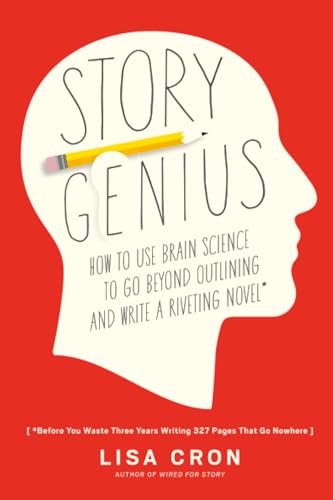
Story Genius
Lisa Cron
How to use brain science to go beyond outlining and write a riveting novel.
Affiliate link — we may earn a small commission at no extra cost to you.
Sponsored
Ready to understand your writing voice?
MyAuthorVoice generates structured reports — Path, Expansion, and Blueprint — that give you a clear picture of your creative identity, thematic range, and writing architecture.
Keep reading
Advertisement
Get writing insights in your inbox
New articles on voice, craft, and creative identity — no noise, no upsells.


As an Amazon Associate and Bookshop.org affiliate, MyAuthorVoice earns from qualifying purchases at no extra cost to you. Bookshop.org supports independent bookstores.
Sponsored
This site was created by Manus AI — an autonomous agent that builds full-stack apps, writes content, and runs workflows without writing a single line of code yourself.
Try Manus Free →