Why Literary Fiction Writers Resist Genre Labels (And What It Costs Them)
MyAuthorVoice Editorial
Writing craft & author identity
Literary fiction writers often resist genre labels because they perceive them as restrictive, reductive, and antithetical to the artistic freedom and intellectual depth they associate with their work, ultimately costing them discoverability, market understanding, and a clearer path to connecting wit
Why Literary Fiction Writers Resist Genre Labels (And What It Costs Them)
Literary fiction writers often resist genre labels because they perceive them as restrictive, reductive, and antithetical to the artistic freedom and intellectual depth they associate with their work, ultimately costing them discoverability, market understanding, and a clearer path to connecting with their ideal readership.
Table of Contents
- The Allure of the Uncategorized: Why "Literary" Feels Different
- The Historical Roots of Literary Resistance to Genre
- The Perceived Costs of Categorization: A Writer's Perspective
- The Real Costs of Resisting Genre: Market Realities and Reader Expectations
- Navigating the Genre Landscape: A Strategic Approach for Literary Writers
- The Benefits of Strategic Genre Engagement
- Redefining "Literary": An Evolving Conversation
The Allure of the Uncategorized: Why "Literary" Feels Different
For many writers who identify with literary fiction, the very act of assigning a genre label feels like an imposition, a reduction of their complex artistic endeavor into a neat, marketable box. This resistance stems from a deeply ingrained belief that literary fiction, by its nature, transcends the conventional boundaries of genre. It's often seen as a space where the exploration of the human condition, psychological depth, stylistic innovation, and thematic complexity take precedence over plot-driven conventions or adherence to specific tropes. The term "literary" itself implies a certain gravitas, a focus on craft and enduring artistic merit that some feel is diminished by association with categories like "fantasy," "romance," or "thriller," which are sometimes perceived as more commercial or formulaic.
This perspective is not without historical precedent. The literary canon has traditionally celebrated works that defy easy classification, works that push the boundaries of form and content. Writers are often trained to value originality and to challenge expectations, and for some, embracing a genre label feels like capitulating to commercial pressures rather than upholding artistic integrity. They might argue that their work is about how a story is told as much as what story is told, emphasizing prose quality, narrative voice, and intricate character development over genre-specific plot beats. To label such a work, they fear, is to misrepresent its core essence, to guide readers toward expectations that the book may not fulfill, or worse, to deter readers who are seeking precisely the kind of nuanced, thought-provoking experience that literary fiction aims to provide. The desire to be seen as a unique artistic entity, rather than a component part of a larger commercial category, is a powerful motivator for this resistance.
The Historical Roots of Literary Resistance to Genre
The distinction between "literary" and "genre" fiction is a relatively modern construct, but its roots delve deep into cultural and academic shifts. Historically, literature was simply literature, encompassing everything from epic poems to philosophical treatises to adventure tales. The formalization of genre categories, particularly in the 20th century, coincided with the rise of mass market publishing and the need for booksellers and publishers to categorize and market books more efficiently to an expanding readership. As certain forms became highly commercialized—detective stories, science fiction, romance—a counter-movement emerged, often within academic institutions, to define a separate category of "serious" or "literary" fiction. This category was often characterized by its artistic ambition, stylistic complexity, psychological realism, and exploration of profound human themes, consciously differentiating itself from what was perceived as more formulaic or escapist "genre" fare.
This historical bifurcation created a hierarchy, with "literary" fiction often occupying the perceived high ground of artistic merit and critical acclaim, while "genre" fiction was relegated to the realm of entertainment. This perception, though increasingly challenged, continues to influence writers and readers alike. Writers who aspire to critical recognition, academic study, or prestigious awards often feel compelled to align themselves with the "literary" label, viewing genre tags as potentially undermining their artistic credibility. The fear is that a genre label might lead critics to dismiss their work as less profound or less original, regardless of its actual content or execution. This historical context has fostered an environment where resisting genre labels is not just a personal preference but a perceived strategic move to align with a particular cultural and intellectual lineage, one that values artistic independence and intellectual rigor above commercial classification.
The Perceived Costs of Categorization: A Writer's Perspective
From a literary writer's viewpoint, the act of categorizing their work often feels like a compromise, a forced fit into a pre-existing mold that fails to capture the unique essence of their creation. They fear that a genre label will inevitably lead to misinterpretation, setting up reader expectations that their nuanced narratives might not meet. For instance, a novel exploring profound grief within a subtly speculative setting might be mislabeled as "fantasy," leading readers expecting dragons and magic to be disappointed, while those who would appreciate its emotional depth might overlook it entirely. This misdirection is seen as a significant cost, potentially alienating the very audience the writer hopes to reach.
Furthermore, writers often worry that genre labels can stifle their creative freedom. If they are expected to write within the confines of a specific genre, they might feel pressured to adhere to its tropes and conventions, even if those don't serve their artistic vision. The beauty of literary fiction, they argue, lies in its boundless potential for experimentation with form, voice, and subject matter. To be pigeonholed into a genre, they believe, is to limit this potential, to trade artistic exploration for market predictability. They also perceive a risk to their author brand; if their work is too easily categorized, they might be seen as less versatile, less original, or less intellectually ambitious. This concern extends to how their work is reviewed and discussed. A genre label, they fear, might lead critics to evaluate their novel against genre-specific criteria rather than on its own literary merits, potentially diminishing its chances for broader critical recognition and awards. The perceived cost, therefore, is not just about sales, but about artistic integrity, creative autonomy, and the legacy of their work.
Case Study: Jane Doe — Before Jane's novel, a character-driven exploration of intergenerational trauma set against a subtly dystopian backdrop, was marketed as "Literary Fiction." After her agent convinced her to add "Dystopian" as a secondary classification, her book gained traction with readers who appreciated character depth within speculative settings.
The Real Costs of Resisting Genre: Market Realities and Reader Expectations
While literary writers' concerns about artistic integrity are valid, their resistance to genre labels often incurs significant practical costs in the contemporary publishing landscape. The primary cost is discoverability. In an oversaturated market, both traditional and online, genre acts as a crucial filter for readers. When a book lacks clear genre identification, it becomes harder for readers to find it, for booksellers to shelve it, and for algorithms to recommend it. This can lead to a smaller audience, fewer sales, and less critical attention, regardless of the book's inherent quality.
Another substantial cost is misaligned reader expectations. When a book is simply labeled "literary fiction," it offers a broad, often vague, promise. While some readers actively seek this ambiguity, many others are looking for specific experiences. A reader who enjoys psychological thrillers but appreciates literary prose might never discover a literary novel with strong suspense elements if it's not also tagged as a "thriller." Conversely, a reader expecting a purely character-driven narrative might be put off by a literary novel that subtly incorporates elements of magical realism if they weren't forewarned. This mismatch can lead to negative reviews and a sense of disappointment, even if the book is excellent within its own parameters.
Furthermore, resisting genre labels can complicate marketing and publicity efforts. Publishers and publicists rely on genre to identify target audiences, craft compelling pitches, and place books in appropriate media outlets. Without clear genre markers, marketing campaigns can become diffuse and ineffective, failing to reach the most receptive readers. This also impacts booksellers, who need to know where to place a book on their shelves, both physical and virtual. A book without a clear genre is often relegated to a general "fiction" section, where it competes with an overwhelming number of titles and is less likely to be discovered by browsing readers. The reality is that readers often begin their search with a genre in mind, and ignoring this fundamental aspect of consumer behavior can severely limit a book's reach and commercial viability.
| Aspect of Publishing | Literary Writer's Perception of Genre | Market Reality of Genre |
|---|---|---|
| Artistic Freedom | Restrictive, stifles creativity. | Provides a framework, allows for subversion within expectations. |
| Reader Connection | Attracts discerning readers seeking unique experiences. | Helps readers find books they'll enjoy, manages expectations. |
| Discoverability | My work transcends categories, will be found by those who appreciate it. | Essential for search, shelving, and algorithmic recommendations. |
| Marketing | My work speaks for itself, doesn't need commercial labels. | Crucial for targeting audiences, crafting pitches, and retail placement. |
| Critical Reception | Genre labels diminish literary merit, lead to misjudgment. | Can attract critics interested in specific forms, provides context. |
| Author Brand | Unique, uncategorizable, stands apart. | Can appear unfocused, harder for readers to follow an author's trajectory. |
Navigating the Genre Landscape: A Strategic Approach for Literary Writers
For literary writers, the challenge isn't necessarily to abandon their artistic principles, but to strategically engage with the genre landscape. This involves understanding how genre functions in the market and leveraging it to their advantage without compromising their creative vision. It's about finding the intersection where artistic integrity meets market reality.
Here's a strategic approach:
Step 1: Identify Core Thematic and Stylistic Elements. Before even thinking about a genre label, deeply understand your work. What are the central themes? What kind of emotional experience does it offer? What is the dominant narrative voice and style? Is there a particular setting or premise that hints at a genre? For example, a novel about a woman uncovering family secrets might have elements of mystery, even if its primary focus is psychological. A novel set in a slightly altered reality might lean towards speculative fiction. This internal analysis, which can be greatly aided by tools that analyze your writing identity, thematic range, and narrative architecture, helps you articulate the essence of your book beyond a simple "literary" tag. MyAuthorVoice's Path and Expansion reports are designed precisely for this kind of deep self-assessment, helping writers understand their creative voice and thematic range.
Step 2: Research Adjacent Genres and Subgenres. Once you have a clear understanding of your book's core, look for existing genres or subgenres that share significant overlap. Don't be afraid to explore niche categories. For instance, if your literary novel features a strong romantic subplot, consider "upmarket romance" or "contemporary romance with literary leanings." If it has elements of the fantastic, explore "magical realism," "slipstream," or "literary fantasy." The goal isn't to force your book into a box, but to find the closest existing box that accurately describes a significant aspect of it. This research helps you understand reader expectations within those categories.
Step 3: Embrace "Hybrid" or "Cross-Genre" Descriptions. You don't have to choose just one. Many literary novels naturally blend elements. Instead of resisting all labels, embrace a hybrid approach. Phrases like "a literary novel with a speculative twist," "a character study woven into a historical mystery," or "a psychological drama with elements of magical realism" can be incredibly effective. These descriptions acknowledge the literary depth while providing a familiar entry point for readers. They signal both artistic ambition and an engaging narrative framework.
Step 4: Focus on Reader Expectations, Not Just Artistic Intent. Shift your perspective from "what my book is artistically" to "what experience will readers expect based on how it's presented?" If your book has a compelling mystery plot, even if it's primarily a literary exploration of character, labeling it as "literary mystery" will attract readers who enjoy both. This doesn't diminish its literary qualities; it simply provides a clearer signpost for potential readers. Think about the keywords readers might use to find a book like yours.
Step 5: Collaborate with Your Agent/Editor on Positioning. This is a collaborative effort. Your agent and editor are your partners in navigating the market. Be open to their suggestions regarding positioning and categorization. They have a broader view of the industry and understand how books are sold. While you maintain artistic control, their expertise in market placement is invaluable. They can help you articulate your book's unique selling points within a commercial framework.
By following these steps, literary writers can move beyond blanket resistance and strategically position their work to reach a wider, more appreciative audience, without sacrificing their artistic integrity.
The Benefits of Strategic Genre Engagement
Engaging strategically with genre, rather than outright resisting it, offers numerous tangible benefits for literary writers. The most immediate advantage is significantly enhanced discoverability. In a world dominated by online bookstores and recommendation algorithms, genre tags are the primary mechanism by which readers find new books. A literary novel with a clear secondary genre (e.g., "Literary Thriller," "Historical Fiction," "Magical Realism") is far more likely to appear in relevant search results and "readers also bought" sections, connecting it with audiences who are already predisposed to enjoy its specific blend of elements.
Secondly, strategic genre engagement leads to better-matched reader expectations. By providing a clearer signal about the kind of story they're about to encounter, writers can attract readers who are genuinely interested in that particular experience. This reduces the likelihood of disappointment and fosters more positive reviews, as readers feel they received what was promised. A reader looking for a compelling plot and beautiful prose will be delighted to find a "literary fantasy" that delivers both, rather than feeling misled by a vague "literary fiction" label.
Furthermore, embracing genre can broaden an author's audience without diluting their artistic vision. Many readers who primarily enjoy genre fiction are also open to, and actively seek out, works with greater literary depth and stylistic sophistication. By signaling that a book offers both, writers can tap into a larger market segment. This can lead to increased sales, more opportunities for critical attention, and a more sustainable career. It also empowers booksellers and librarians to more effectively hand-sell the book, as they have a clearer understanding of its appeal.
Finally, strategic genre engagement can strengthen an author's brand. Instead of being seen as an author whose work is "unclassifiable" (which can sometimes translate to "hard to sell"), an author who skillfully blends literary ambition with genre elements can carve out a unique and recognizable niche. This allows readers to follow their work more easily and anticipate the kind of rich, nuanced narratives they can expect. It demonstrates an understanding of the market while maintaining artistic integrity, a powerful combination in today's publishing landscape.
📚 Recommended: Platform by Michael Hyatt — This book helps authors understand how to build a powerful platform that connects them with their ideal audience, a crucial step after understanding where your book fits in the market. Amazon link
Redefining "Literary": An Evolving Conversation
The conversation around "literary" versus "genre" fiction is not static; it's an evolving dialogue within the publishing world, academia, and among readers. What was once a rigid divide is increasingly becoming a permeable boundary, with more and more works defying easy categorization. This shift is driven by several factors: a growing appreciation for genre fiction's artistic merits, a blurring of lines by contemporary authors who consciously blend styles, and a market demand for stories that offer both intellectual depth and engaging narrative structures.
Many contemporary literary novels now openly incorporate elements traditionally associated with genre, such as speculative premises, mystery plots, or romantic arcs. Conversely, many genre novels are lauded for their literary prose, complex characters, and profound thematic explorations. This cross-pollination enriches the entire literary landscape, challenging old hierarchies and expanding the definition of what constitutes "literary" merit. The emphasis is moving away from rigid classification and towards a more nuanced understanding of a book's individual qualities.
For writers, this evolving conversation presents an opportunity. Instead of viewing "literary" as an exclusive club that rejects all genre, they can see it as a quality that can elevate any genre. A "literary thriller" isn't just a thriller; it's a thriller with exceptional prose, psychological depth, and perhaps a more profound exploration of its themes. This redefinition allows writers to embrace the commercial advantages of genre without sacrificing their artistic aspirations. It encourages a more inclusive and expansive view of literature, where craft, originality, and impact are valued above strict adherence to categorical norms. By participating in this redefinition, writers can help shape a future where "literary" is understood as a descriptor of quality and depth, rather than a category that stands in opposition to commercial appeal.
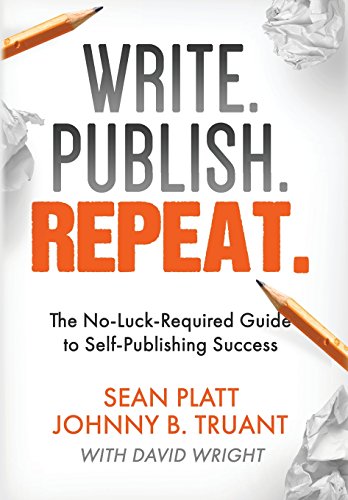
📚 Recommended: Write. Publish. Repeat. by Sean Platt and Johnny B. Truant — This guide offers practical advice on navigating the realities of authorship, including understanding market categories and consistent production. Amazon link
FAQ
Q: What is the primary reason literary writers resist genre labels? A: Literary writers primarily resist genre labels because they perceive them as restrictive, reductive, and antithetical to the artistic freedom and intellectual depth they associate with their work, fearing that categorization diminishes their unique artistic vision.
Q: Does resisting genre labels actually harm a literary writer's career? A: Yes, resisting genre labels can significantly harm a literary writer's career by reducing discoverability, leading to misaligned reader expectations, and complicating marketing efforts, ultimately limiting their reach and sales potential.
Q: What is the difference between "literary fiction" and "genre fiction"? A: Historically, "literary fiction" emphasizes artistic merit, stylistic complexity, and thematic depth, while "genre fiction" (e.g., fantasy, romance, thriller) often adheres to specific tropes and plot conventions, though these distinctions are increasingly blurred.
Q: Can a book be both "literary" and a specific "genre"? A: Absolutely. Many contemporary works successfully blend literary qualities (strong prose, character depth, thematic complexity) with genre elements (mystery, speculative settings, romantic plots), creating "literary thrillers," "literary fantasy," or "upmarket romance."
Q: How can literary writers use genre labels strategically? A: Literary writers can use genre labels strategically by identifying core thematic elements, researching adjacent subgenres, embracing hybrid descriptions, focusing on reader expectations, and collaborating with their publishing team to position their work effectively.
Q: Will embracing a genre label compromise my artistic integrity? A: Not necessarily. Strategic genre engagement is about providing clear signposts for readers without changing the fundamental artistic vision of your work. It allows you to reach a wider audience who will appreciate your unique blend of literary depth and genre appeal.
Q: How do readers typically find books without clear genre labels? A: Books without clear genre labels are harder to find. They might be discovered through word-of-mouth, specific literary reviews, academic courses, or by readers who actively seek out "uncategorized" or experimental fiction, but this audience is generally smaller.
Q: What tools can help me understand my book's core elements for categorization? A: Tools like MyAuthorVoice, which offer reports on your writing identity (Path), thematic range (Expansion), and narrative architecture (Blueprint), can help you deeply understand your book's core elements, making it easier to identify relevant genre connections.
Ready to Understand Your Writing Voice?
Navigating the complexities of genre and market positioning begins with a deep understanding of your own writing. MyAuthorVoice's reports, particularly the Path report for creative identity and voice, and the Expansion report for thematic range, can provide invaluable insights into the unique qualities of your work. Don't let uncertainty about categorization hold you back from connecting with your ideal readers. Start your journey of self-discovery and strategic positioning today.
Take the intake to begin understanding your unique author voice and how it fits into the broader literary landscape. You can also explore our writing guides on the MyAuthorVoice blog for more insights.
Advertisement


As an Amazon Associate and Bookshop.org affiliate, MyAuthorVoice earns from qualifying purchases at no extra cost to you. Bookshop.org supports independent bookstores.

Writing the Breakout Novel
Donald Maass
How to take your fiction to the next level. A practical guide to writing novels that stand out in a crowded market.
Affiliate link — we may earn a small commission at no extra cost to you.
Sponsored
Frequently Asked Questions
Ready to understand your writing voice?
MyAuthorVoice generates structured reports — Path, Expansion, and Blueprint — that give you a clear picture of your creative identity, thematic range, and writing architecture.
Keep reading
genre demand
Genre Blending for Authors: How to Write Across Categories Without Losing Your Voice
2400+ words
genre demand
Should You Write Fiction or Nonfiction? A Definitive Framework for Writers
3900+ words
genre demand
Should You Write Fiction or Nonfiction? A Definitive Framework for Serious Writers
3900+ words
Advertisement
Get writing insights in your inbox
New articles on voice, craft, and creative identity — no noise, no upsells.
As an Amazon Associate and Bookshop.org affiliate, MyAuthorVoice earns from qualifying purchases at no extra cost to you. Bookshop.org supports independent bookstores.
Sponsored
This site was created by Manus AI — an autonomous agent that builds full-stack apps, writes content, and runs workflows without writing a single line of code yourself.
Try Manus Free →