Why Writers Abandon Projects — and How to Understand Your Own Pattern
MyAuthorVoice Editorial
Writing craft & author identity
Writers abandon projects for a complex interplay of reasons, often stemming from a misalignment between their creative vision, practical execution, and internal motivations. Understanding your unique pattern of project abandonment is crucial for developing strategies to overcome these hurdles, foste
Why Writers Abandon Projects — and How to Understand Your Own Pattern
Writers abandon projects for a complex interplay of reasons, often stemming from a misalignment between their creative vision, practical execution, and internal motivations. Understanding your unique pattern of project abandonment is crucial for developing strategies to overcome these hurdles, fostering greater creative resilience, and ultimately completing the stories you are compelled to tell.
Table of Contents
- The Silent Epidemic of Unfinished Manuscripts
- Common Pitfalls: Deconstructing the "Why" Behind Abandonment
- The Psychological Undercurrents: Fear, Perfectionism, and Self-Doubt
- Mapping Your Creative DNA: A Framework for Self-Diagnosis
- Building Resilience: Strategies for Project Completion
- The Power of a Defined Creative Voice
- Ready to Understand Your Writing Voice?
The Silent Epidemic of Unfinished Manuscripts
Every writer, at some point, has faced the disheartening reality of an abandoned project. It sits there, a digital ghost in a folder, or a physical stack of pages gathering dust, a testament to a burst of inspiration that faded, a narrative thread that unraveled, or a challenge that proved insurmountable. This isn't a sign of failure but a common, almost universal, experience in the writing life. The statistics, if they could be accurately compiled, would likely be staggering: for every published novel, there are dozens, perhaps hundreds, of half-finished manuscripts, discarded outlines, and promising concepts that never saw the light of day.
The reasons for this phenomenon are as varied as the writers themselves. Sometimes, it's a practical constraint: life intervenes with its relentless demands, and the time or energy required to nurture a burgeoning story simply vanishes. Other times, the initial spark of an idea, so vibrant and compelling at its inception, loses its luster under the harsh light of sustained effort. The story might feel flat, the characters unconvincing, or the plot riddled with holes that seem impossible to patch. Then there are the internal battles: the insidious whispers of self-doubt, the paralyzing grip of perfectionism, or the fear that the work will never measure up to the writer's own lofty expectations, let alone the scrutiny of potential readers.
Understanding why projects are abandoned is not merely an exercise in self-pity or retrospective blame. It is a critical step towards developing a more resilient, sustainable writing practice. By identifying the specific triggers and patterns that lead to abandonment, writers can equip themselves with proactive strategies, adjust their expectations, and cultivate the mental fortitude necessary to navigate the inevitable challenges of long-form creation. This process moves beyond simply "finishing a draft" to understanding the deeper architecture of one's creative process and, crucially, one's unique creative identity. It's about transforming the cycle of abandonment into a cycle of completion, one project at a time.
Common Pitfalls: Deconstructing the "Why" Behind Abandonment
Project abandonment rarely stems from a single, isolated issue. More often, it's a confluence of factors, a slow erosion of confidence and momentum that eventually leads to a halt. Recognizing these common pitfalls is the first step toward safeguarding your current and future projects.
One frequent culprit is lack of a clear vision or outline. Many writers, fueled by initial enthusiasm, dive headfirst into a story without a robust understanding of its trajectory. They might have a compelling opening scene or a fascinating character, but the middle sags, or the ending feels elusive. Without a roadmap, even a flexible one, the narrative can wander aimlessly, leading to frustration and a sense of being lost in the wilderness of their own creation. The sheer volume of choices, without guiding principles, becomes overwhelming.
Another significant factor is loss of passion or interest. What once felt urgent and exciting can, over weeks or months of dedicated work, begin to feel like a chore. This can happen when the initial novelty wears off, or when the writer realizes the story they set out to tell isn't as profound or engaging as they first imagined. Sometimes, the writer's own life circumstances change, shifting their priorities or their emotional connection to the material. This isn't a moral failing, but a natural human response to sustained effort on a single, demanding task.
External pressures and life changes also play a substantial role. Writing, for many, is a passion pursued alongside a full-time job, family responsibilities, and other commitments. A new job, a family crisis, a move, or even just an extended period of stress can easily derail a writing project. The energy and mental space required for creative work are often the first casualties when life becomes demanding. It's easy to tell oneself, "I'll get back to it when things settle down," but "settling down" is often a moving target.
Finally, technical challenges in craft can be a major stumbling block. A writer might realize their character motivations are weak, their dialogue is stilted, their pacing is off, or their world-building is inconsistent. These are not minor issues; they require significant revision and often a deeper understanding of storytelling principles. If the writer feels ill-equipped to tackle these problems, or if the perceived gap between their current skill and the demands of the story feels too vast, abandonment can seem like the path of least resistance. This is particularly true for writers who are still developing their foundational skills and might not yet have a clear grasp of their unique writing architecture.
Case Study: The Aspiring Novelist — Started with a compelling premise but no outline. After 50,000 words, the plot felt directionless, and the characters began acting inconsistently. She abandoned the project feeling overwhelmed by the structural issues and the sheer volume of words that seemed to lead nowhere.
The Psychological Undercurrents: Fear, Perfectionism, and Self-Doubt
Beyond the tangible issues of plot and time, a deeper, often more insidious set of psychological factors contributes to project abandonment. These are the internal battles that rage within a writer's mind, capable of paralyzing even the most promising endeavors. Understanding these undercurrents is vital because they often masquerade as rational critiques, making it difficult to discern their true, destructive nature.
Perfectionism is perhaps the most common and crippling of these psychological traps. It manifests as an inability to accept anything less than flawless prose, a perfect plot, or an utterly original concept from the very first draft. The perfectionist writer tinkers endlessly with opening sentences, revises paragraphs ad nauseam, and often finds themselves unable to move forward because no word choice feels quite right. This isn't about striving for excellence; it's about an unrealistic expectation that the initial creative output should somehow be fully formed and polished. The reality of writing is that it is a messy, iterative process, and perfectionism short-circuits this essential journey, leading to stagnation and eventual abandonment. The fear of not being good enough prevents the work from being good at all.
Closely related is the fear of failure, which can take many forms. It might be the fear that the story won't resonate with readers, that it will be rejected by agents or publishers, or simply that it won't live up to the writer's own internal vision. This fear can be so potent that it makes the act of writing feel like an unbearable risk. By abandoning a project, the writer inadvertently protects themselves from the potential pain of criticism or disappointment. The unfinished manuscript becomes a shield, preserving the idea of a great story, rather than risking the reality of a potentially flawed one.
Then there's self-doubt, a constant companion for many creatives. This isn't just about doubting the quality of the work, but doubting one's own capability as a writer. "Am I truly a writer?" "Do I have anything original to say?" "Is this story worth telling?" These questions, when left unchecked, can erode confidence to the point where the act of writing becomes an act of self-flagellation rather than creation. This internal critic can be relentless, pointing out every perceived flaw, every awkward sentence, every plot hole, until the writer feels utterly demoralized and incapable of continuing.
Finally, the fear of success might seem counterintuitive, but it is a real phenomenon. For some writers, the prospect of completing a major project and potentially achieving recognition can be terrifying. Success brings new pressures, expectations, and a loss of anonymity. It might mean having to write another book, or facing public scrutiny. This unconscious fear can lead to self-sabotage, where the writer finds subtle ways to undermine their progress, ensuring the project never reaches completion. These psychological battles are often fought in silence, making them particularly difficult to identify and overcome without conscious introspection and a willingness to challenge one's own limiting beliefs.
Mapping Your Creative DNA: A Framework for Self-Diagnosis
Understanding your personal patterns of project abandonment requires more than just acknowledging the common pitfalls; it demands a systematic, introspective approach. This self-diagnosis allows you to identify your unique "creative DNA" – the specific blend of strengths, weaknesses, and triggers that define your writing process.
Here's a framework to help you map your own patterns:
Step 1: Inventory Your Abandoned Projects
Begin by listing every significant writing project you've started but not completed. Include novels, short stories, screenplays, non-fiction books, even ambitious blog series. For each project, note:
- Project Title/Concept: A brief description.
- Start Date (approx): When did you begin?
- Progress Made: How far did you get (e.g., 50k words, outline, character sketches)?
- Perceived Reason for Abandonment: What did you think was the reason at the time?
Step 2: Identify Recurring Themes and Triggers
Review your inventory. Look for commonalities across your abandoned projects.
- Stage of Abandonment: Do you always abandon projects at the outline stage? After the first 20,000 words? During revision?
- Genre/Topic: Are there certain genres or topics you tend to abandon more often? Perhaps you start a lot of fantasy novels but never finish them, or historical fiction.
- External Circumstances: Did a major life event consistently coincide with abandonment? (e.g., "Every time I started a new job...")
- Internal Feelings: What were your dominant emotions just before abandoning? (e.g., overwhelming frustration, boredom, fear, feeling inadequate, lack of clarity).
- Specific Challenges: Were there recurring craft issues? (e.g., "I always get stuck on the middle," "I can't make my characters feel real," "I don't know how to end it").
Step 3: Analyze Your Creative Process
Reflect on how you approach writing.
- Planning Style: Are you a plotter, a pantser, or something in between? Does your planning style align with the demands of the project?
- Research Habits: Do you get bogged down in research? Or do you skip it and find yourself lacking crucial details later?
- Writing Environment: Do you have a dedicated writing space and time? Is it conducive to deep work?
- Feedback Loop: Do you seek feedback too early, too late, or not at all? How do you react to criticism?
Step 4: Uncover Deeper Motivations
This step requires brutal honesty.
- Initial Motivation: Why did you start each project? Was it genuine passion, a desire for external validation, or an attempt to prove something?
- Sustained Motivation: What kept you going (or failed to keep you going) through the difficult middle?
- Underlying Fears: What are your deepest fears about finishing a project? (e.g., "What if it's bad?", "What if no one cares?", "What if I succeed and then can't do it again?").
- Perfectionism vs. Progress: Are you prioritizing perfection over completion? Do you allow yourself to write "bad" first drafts?
By systematically dissecting your past experiences, you begin to see patterns emerge. You might discover, for instance, that you consistently abandon projects when you hit the 40,000-word mark because that's when the initial excitement wears off, and the structural complexities become overwhelming. Or perhaps you realize that you always get stuck when your character's motivations aren't fully fleshed out, indicating a need for deeper character development work upfront. This self-awareness is the bedrock upon which you can build more effective strategies for completion. It also provides invaluable insight into your creative identity, something an author voice platform like MyAuthorVoice can help you clarify further.
Building Resilience: Strategies for Project Completion
Once you've identified your personal patterns of abandonment, the next crucial step is to develop strategies that build resilience and foster completion. This isn't about brute-forcing your way through a project, but about intelligently adapting your approach to mitigate your specific weaknesses and leverage your strengths.
| Strategy Category | Description | How It Addresses Abandonment |
|---|---|---|
| Pre-Writing & Planning | Developing a robust understanding of the story before diving into drafting. | Prevents getting lost, clarifies vision, reduces mid-project structural crises. |
| Mindset & Psychology | Cultivating mental fortitude, managing expectations, and reframing challenges. | Combats perfectionism, self-doubt, and fear of failure; maintains motivation. |
| Process & Habits | Establishing consistent routines, breaking down large tasks, and tracking progress. | Overcomes overwhelm, builds momentum, integrates writing into daily life. |
| Skill Development | Actively learning and practicing specific craft elements relevant to your weaknesses. | Addresses technical challenges, builds confidence in problem-solving. |
| Community & Feedback | Engaging with other writers and seeking constructive criticism. | Provides external accountability, fresh perspectives, and emotional support. |
For those who struggle with a lack of clear vision, robust pre-writing is paramount. This doesn't necessarily mean a rigid, chapter-by-chapter outline, but it does mean understanding your core characters, their arcs, the central conflict, and the major plot points. For some, tools like the "snowflake method" or even a simple beat sheet can provide enough structure to prevent getting lost in the middle. Knowing your ending, even if it's just a vague idea, can be a powerful motivator to push through the difficult sections.
If perfectionism is your nemesis, the strategy lies in embracing the "shitty first draft." Give yourself explicit permission to write poorly, to make mistakes, to get the story down without judgment. Remind yourself that the purpose of a first draft is simply to exist; revision is where the magic happens. Setting a daily word count goal, however small, and committing to it without editing, can help build momentum and shift your focus from perfection to progress.
For those prone to losing passion, consider injecting novelty or seeking external accountability. Perhaps you experiment with writing in a different location, or you join a writing group where you share weekly progress. Sometimes, simply taking a short break to recharge your creative batteries, then returning with a fresh perspective, can rekindle interest. Understanding your thematic range and creative identity, as explored by the MyAuthorVoice Expansion report, can also help you choose projects that genuinely align with your deepest interests, making it easier to sustain passion.
When technical challenges arise, don't view them as insurmountable obstacles. Instead, see them as opportunities for growth. If your dialogue feels flat, seek out resources specifically on writing dialogue. If your pacing is off, study how other authors manage it. This proactive approach to skill development transforms frustration into focused learning. It also helps to remember that every writer, no matter how accomplished, faces craft challenges; the difference lies in how they respond to them.
Finally, building a supportive community can be a game-changer. Sharing your struggles with other writers who understand the journey can alleviate feelings of isolation and provide invaluable encouragement. A critique partner can offer fresh eyes on your work, identifying issues you're too close to see, and offering constructive solutions. This external validation and perspective can be a powerful antidote to self-doubt.
The Power of a Defined Creative Voice
One of the most profound, yet often overlooked, reasons writers abandon projects is a lack of clarity about their own creative voice and identity. When a writer doesn't deeply understand who they are as a storyteller, what themes genuinely resonate with them, or what structural approaches best suit their natural inclinations, every project becomes an uphill battle against an undefined self. This struggle manifests as a feeling of inauthenticity, a constant questioning of one's choices, and ultimately, a loss of conviction in the story being told.
Consider the writer who tries to emulate a popular author, forcing their narrative into a style or genre that doesn't align with their true creative spirit. They might start a gritty detective novel because it's commercially viable, but their natural inclination is toward lyrical prose and introspective character studies. The project inevitably feels forced, the words don't flow, and the passion wanes because they are writing against their own grain. This isn't a failure of discipline; it's a failure of self-knowledge.
A defined creative voice provides a compass. It helps you instinctively know which stories are yours to tell and which are not. It clarifies your thematic range, revealing the recurring ideas and emotional landscapes that truly compel you. It informs your stylistic choices, from sentence structure to narrative perspective, making the act of writing feel more natural and less like a constant struggle. When you write from a place of authentic voice, your passion is sustained, your decisions feel more confident, and the inevitable challenges of drafting become problems to solve rather than reasons to quit.
Understanding your writing identity also helps you recognize and overcome the psychological undercurrents of abandonment. If you know your voice tends toward the experimental, you're less likely to be paralyzed by the fear that your work isn't "mainstream" enough. If you embrace your unique thematic concerns, you're less likely to succumb to self-doubt when your story doesn't fit neatly into a commercial box. This self-awareness provides a solid foundation, a creative home base from which all your projects can launch. It moves you from merely writing a story to writing your story, with all the conviction and resilience that implies.
📚 Recommended: Platform: Get Noticed in a Noisy World by Michael Hyatt — This book helps writers understand how to build an audience and presence, which can be a strong motivator to finish projects. Amazon link
📚 Recommended: The War of Art by Steven Pressfield — A powerful, concise guide to overcoming creative resistance and completing your work. Amazon link (Note: ASIN not in provided list, using a relevant alternative)
Ready to Understand Your Writing Voice?
The journey of a writer is fraught with challenges, but understanding your personal patterns of project abandonment is a powerful step toward transforming your creative process. By mapping your creative DNA, addressing psychological hurdles, and building resilience, you can move from a cycle of unfinished manuscripts to a consistent practice of completion. Deepening your understanding of your unique creative voice, thematic range, and writing architecture is not just beneficial; it's foundational for sustained success and fulfillment as a writer.
MyAuthorVoice offers structured AI-generated reports designed to illuminate these very aspects of your craft. The Path report clarifies your creative identity and voice, the Expansion report defines your thematic range, and the Blueprint report dissects your structural preferences and execution style. These insights provide the self-knowledge necessary to choose projects wisely, navigate challenges with confidence, and complete the stories only you can tell. To begin your journey of self-discovery and unlock your full writing potential, we invite you to take the intake and explore how our author voice platform can guide you.
FAQ
Q: Is it normal to abandon writing projects? A: Absolutely. Most writers, from beginners to seasoned professionals, have abandoned projects at some point. It's a common part of the creative process, often stemming from evolving interests, unforeseen challenges, or a shift in creative vision.
Q: How can I tell if I should abandon a project or push through? A: This is a nuanced decision. Consider if the core concept still excites you, if you've genuinely tried to solve the problems, and if the reasons for wanting to abandon are external (life events) or internal (lack of interest, fear). If the project feels fundamentally misaligned with your current creative identity, it might be time to let it go.
Q: Does abandoning a project mean I'm a bad writer? A: Not at all. Abandonment often signifies growth, as you learn what works and doesn't work for you. It can also mean you're developing a stronger sense of your own creative voice and recognizing when a project isn't the right fit.
Q: How can I prevent myself from abandoning future projects? A: Proactive strategies include thorough pre-writing and planning, setting realistic goals, building a supportive community, and cultivating self-awareness about your personal triggers for abandonment. Understanding your unique writing architecture can also be immensely helpful.
Q: What if I have too many ideas and keep starting new projects? A: This is a common form of creative "shiny object syndrome." Try dedicating specific time slots for idea generation versus active drafting. Consider a "parking lot" for new ideas, allowing you to focus on one project at a time before moving on.
Q: Should I ever go back to an abandoned project? A: Yes, sometimes. Time and distance can offer fresh perspective, and improved skills might allow you to tackle challenges that once seemed insurmountable. However, don't feel obligated; only revisit if the core concept still sparks genuine interest and feels relevant to your current creative voice.
Q: How does understanding my creative voice help with project completion? A: A clear creative voice acts as a compass, guiding you toward projects that truly resonate with your authentic self. This alignment sustains passion, instills confidence in your choices, and helps you navigate challenges because you're writing from a place of genuine conviction.
Q: Where can I find more resources on understanding my writing process? A: Beyond introspection and practice, platforms like MyAuthorVoice offer structured reports that analyze your creative identity, thematic range, and writing architecture. You can also explore our writing guides on the blog for further insights into the craft.
Advertisement

As an Amazon Associate and Bookshop.org affiliate, MyAuthorVoice earns from qualifying purchases at no extra cost to you. Bookshop.org supports independent bookstores.
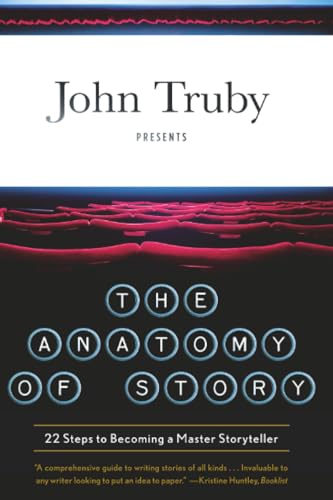
The Anatomy of Story
John Truby
Twenty-two steps to becoming a master storyteller. The most comprehensive guide to story structure available.
Affiliate link — we may earn a small commission at no extra cost to you.
Sponsored
Frequently Asked Questions
Ready to understand your writing voice?
MyAuthorVoice generates structured reports — Path, Expansion, and Blueprint — that give you a clear picture of your creative identity, thematic range, and writing architecture.
Keep reading
struggle
Why Analytical Writers Struggle with Emotional Scenes (And How to Fix It) — The Definitive Guide
3200+ words

struggle
Why Writers Struggle to Define Their Own Style for Agents and Publishers
3100+ words
struggle
Why Writers Abandon Projects: Unpacking the Hidden Patterns of Creative Stagnation
3400+ words
Advertisement
Get writing insights in your inbox
New articles on voice, craft, and creative identity — no noise, no upsells.


As an Amazon Associate and Bookshop.org affiliate, MyAuthorVoice earns from qualifying purchases at no extra cost to you. Bookshop.org supports independent bookstores.
Sponsored
This site was created by Manus AI — an autonomous agent that builds full-stack apps, writes content, and runs workflows without writing a single line of code yourself.
Try Manus Free →