
Writing the Second Book: How to Maintain Your Voice While Growing as an Author
MyAuthorVoice Editorial
Writing craft & author identity
Writing the Second Book: How to Maintain Your Voice While Growing as an Author
Writing your first book is often a whirlwind of passion, discovery, and sheer determination. You pour your heart onto the page, crafting a narrative that feels uniquely yours. But then comes the daunting prospect of the second book. Many authors find this follow-up project far more challenging than the debut. The initial thrill of creation is often replaced by a complex mix of expectations, self-doubt, and the pressure to replicate or surpass previous success. This article will explore how to navigate the complexities of writing second book author voice, preserving your unique literary fingerprint while allowing your craft and perspective to evolve. Understanding and nurturing your author voice through this crucial stage is not just about consistency; it's about growth.
The Sophomore Slump: Understanding the Pressure
Why the Second Book Feels Different
The transition from a debut author to a published one brings a new set of pressures. Suddenly, you're not just writing for yourself; you're writing for an audience, for critics, and for the shadow of your first success. This can lead to a fear of repetition, where you worry about delivering more of the same, or conversely, a fear of straying too far from what readers loved, potentially alienating your established fanbase. This internal tug-of-war can make the act of writing feel less like an exploration and more like a tightrope walk. The illusion that your author voice is a fixed, immutable entity can also be a significant hurdle, leading to paralysis when you feel the urge to experiment or grow.
Recognizing Your Evolving Voice
It's crucial to understand that your author voice is not static; it's a living, breathing entity that evolves as you do. Your first book was a snapshot of your voice at a particular moment in time, shaped by your experiences, influences, and artistic intentions then. As you grow as a person and as a writer, your voice will naturally mature and shift. Trying to replicate the exact voice of your first book can feel inauthentic and stifle your creative development. Instead, embrace the idea that your voice is dynamic. Reflect on how the process of writing and publishing your first book has already influenced your perspective and craft. What lessons did you learn? How has your understanding of storytelling deepened? This self-awareness is the first step in allowing your voice to grow organically, rather than trying to force it into a preconceived mold. The danger lies in attempting to rigidly recreate past success, which can lead to a sterile, uninspired manuscript. Instead, focus on understanding the core elements of your voice that resonate, and then allow them the freedom to develop.
Reconnecting with Your Core: What is Your Author Voice?
Before you can effectively maintain and grow your voice, you must first understand its fundamental components. Your author voice is the unique fingerprint you leave on your prose—the combination of elements that makes your writing distinctly yours. It's what readers recognize and connect with, even if they can't articulate precisely why.
Deconstructing Your Unique Style
Your voice is comprised of several interconnected elements. Consider your diction, the specific word choices you make; your syntax, the way you structure sentences and paragraphs; your rhythm, the musicality and flow of your prose; your tone, the attitude you convey towards your subject matter and reader; and your perspective, the unique lens through which you view and present your stories. To truly grasp your unique style, engage in an exercise: take several excerpts from your first book and analyze them. What patterns emerge? Do you favor short, punchy sentences or long, flowing ones? Is your language formal or informal? Do you use a lot of imagery, metaphor, or direct statements? Identifying these literary fingerprints will provide a concrete foundation for understanding your voice.
Thematic Resonance and Purpose
Beyond stylistic choices, your author voice is deeply intertwined with your thematic concerns and underlying purpose. What drives your storytelling? What ideas, questions, or emotions do you consistently explore? Your recurring themes and motifs are powerful indicators of your voice. They reveal your worldview and the unique way you engage with the human experience. Whether you're drawn to stories of redemption, social justice, personal transformation, or the absurdities of everyday life, these thematic threads are integral to your voice. Understanding your thematic resonance helps you ensure that even as your style evolves, the heart of your message remains consistent and authentic. This deeper understanding is crucial for writing second book author voice with integrity.
Strategies for Maintaining Voice While Growing
As you embark on your second book, the challenge isn't to freeze your voice in time, but to cultivate it with intention. This involves a delicate balance of honoring your established style while allowing for natural evolution.
Intentional Experimentation
Growth as an author often requires stepping outside your comfort zone. Intentional experimentation means pushing the boundaries of your style without abandoning the core elements that define your voice. This could involve exploring a new genre, experimenting with a different narrative structure, or adopting an unfamiliar point of view. For instance, if your first book was a gritty, first-person noir, your second might be a third-person limited psychological thriller. The key is to approach these changes with a conscious awareness of how they interact with your existing voice. Does the new structure allow for a deeper exploration of your characteristic themes? Does the different perspective offer a fresh way to express your unique tone? Conscious choice in stylistic evolution ensures that your experimentation is a deliberate act of growth, not a random departure.
The Power of Revision and Self-Awareness
Revision is not merely about correcting errors; it's a powerful tool for refining and strengthening your voice. As you rewrite, reread your work with an ear tuned to your distinctive rhythm and cadence. Does a new passage sound like you? Does it resonate with the voice established in your previous work, or does it feel forced? Seeking feedback from trusted readers or writing partners can also be invaluable, especially if you specifically ask them to comment on your voice. Are there moments where your voice shines through, and others where it falters? Developing a critical ear for your own prose—understanding what makes it uniquely yours—is an ongoing process that deepens with each project. This self-awareness is paramount for writing second book author voice with authenticity.
Learning from the Masters (and Yourself)
To grow your voice, you must also feed it. Reading widely and deeply across various genres and authors can inspire new approaches and expand your stylistic toolkit. Pay attention to how other authors achieve their unique effects. What techniques do they employ? How do they craft their sentences, develop their characters, and convey their themes? Analyze authors whose voices you admire, not to imitate them, but to understand the mechanics behind their artistry. This analytical reading, combined with introspection about your own work, creates a fertile ground for growth. A classic resource that encourages writers to find their own authentic process and voice is Anne Lamott's Bird by Bird. It offers practical advice and profound insights into the writing life, emphasizing the importance of embracing imperfection and trusting your own creative instincts. You can find it here: Bird by Bird: Some Instructions on Writing and Life.
Overcoming Obstacles to Your Second Book's Voice
Even with a clear understanding of your voice and strategies for its growth, the path to your second book is rarely without hurdles. Recognizing and addressing these common obstacles is key to maintaining your unique literary identity.
Battling Imposter Syndrome and Self-Doubt
The success of a first book can paradoxically amplify imposter syndrome. You might find yourself questioning whether your initial achievement was a fluke, or if you truly possess the talent to do it again. This internal critic can be debilitating, whispering doubts that undermine your confidence and stifle your voice. Strategies for building confidence include celebrating small victories, focusing on the process rather than the outcome, and reminding yourself of the hard work and dedication that went into your first book. Perseverance in the face of self-doubt is not just about finishing the manuscript; it's about reaffirming your right to tell your stories in your own way.
Navigating External Feedback
With a published work under your belt, you're likely to receive more feedback—both solicited and unsolicited—on your second manuscript. Discerning helpful criticism from noise becomes a crucial skill. Some feedback might genuinely help you strengthen your voice, while other comments might attempt to steer you towards a style that isn't authentically yours. It's vital to protect your artistic vision. Listen carefully, consider the source, and evaluate whether the feedback aligns with your intentions for the story and your evolving voice. Knowing when to listen and when to stand firm is a hallmark of a confident author. Your voice is ultimately yours to shape.
The Role of Discipline and Routine
Creative inspiration is wonderful, but discipline and routine are the bedrock upon which a sustained writing career is built. Creating a conducive writing environment, whether it's a dedicated office or a quiet corner of your home, signals to your subconscious that it's time to work. Consistency in your writing practice, even if it's just for a short period each day, builds momentum and reinforces your commitment to your craft. This regular engagement with your work is essential for the continuous development of your voice. Stephen King's On Writing offers invaluable insights into the discipline required for a writing life, blending memoir with practical advice on craft. It underscores the importance of showing up to the page consistently and honing your skills. You can find it here: On Writing: A Memoir Of The Craft.
Practical Takeaways for Writing Second Book Author Voice
To successfully navigate the journey of your second book while nurturing your unique voice, begin with a thorough self-analysis. Revisit your first book and identify the undeniable hallmarks of your style, from recurring sentence structures to your preferred emotional register. Understanding your established voice is the foundation for its evolution. This deep dive into your own work provides a crucial baseline. Next, embrace evolution by recognizing that your voice is not static. Allow yourself the freedom to grow, experiment, and refine your craft without fear of losing your identity. Your voice will mature as you do, reflecting your personal and artistic development. View each new project as an opportunity for your voice to deepen and expand, rather than merely repeat.
This growth should be guided by intentional practice. Deliberately experiment with new techniques, structures, or perspectives, always asking how these experiments can enhance, rather than detract from, your core voice. This might involve trying a different point of view for a chapter or exploring a more complex narrative timeline. The goal is controlled growth, not aimless wandering. Furthermore, harness the power of critical revision. Use the revision process as an opportunity to strengthen your voice. Read your work aloud, listen for your rhythm, and ensure every sentence resonates with your authentic style. Revision is where you truly sculpt your prose, making sure each word and phrase serves your unique expression. It's an active process of aligning your intent with your execution.
To gain external perspective, seek focused feedback. When sharing your manuscript, specifically ask readers for their thoughts on your voice. Does it feel consistent? Does it feel authentic? Does it feel like you? Directing feedback requests specifically to voice can yield invaluable insights that general critiques might miss. Choose readers who understand your artistic goals. Complement this with a commitment to cultivate discipline. Establish a consistent writing routine, treating your writing time as sacred and protecting it from distractions. Regular engagement with your work is crucial for both productivity and the organic development of your voice.
Finally, continue to read widely and analytically. Immerse yourself in diverse literature, dissecting how other authors achieve their effects and how you might adapt those lessons to your own voice. And above all, trust your instincts. While feedback is valuable, the final authority on your voice rests with you. Be confident in the unique stories only you can tell.
Further Reading for Voice Development
To further deepen your understanding of author voice and storytelling, consider exploring resources that delve into the fundamental principles of narrative. Story: Style, Structure, Substance, and the Principles of Screenwriting by Robert McKee, while focused on screenwriting, offers profound insights into universal storytelling principles that are highly applicable to novels. It helps you understand the underlying architecture of compelling narratives, which in turn informs how your unique voice can best serve your story. You can find it here: Story: Style, Structure, Substance, and the Principles of Screenwriting.
Conclusion
Writing second book author voice is a journey of both self-discovery and deliberate craftsmanship. It's about honoring the foundation you laid with your first book while courageously stepping into new territory. Your voice is your most powerful tool as an author—a dynamic entity that grows and deepens with every word you write. By understanding its components, embracing its evolution, and diligently working to refine it, you can ensure that your second book, and every book thereafter, carries the unmistakable imprint of your unique literary identity. If you want to understand your own author voice at a deeper level, MyAuthorVoice can help.
Advertisement



As an Amazon Associate and Bookshop.org affiliate, MyAuthorVoice earns from qualifying purchases at no extra cost to you. Bookshop.org supports independent bookstores.
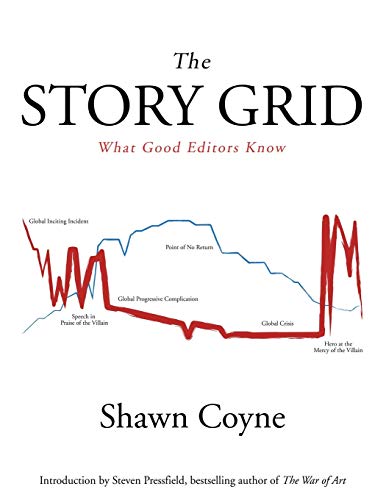
The Story Grid
Shawn Coyne
What good editors know. A revolutionary system for analysing and editing fiction at the macro level.
Affiliate link — we may earn a small commission at no extra cost to you.
Sponsored
Ready to understand your writing voice?
MyAuthorVoice generates structured reports — Path, Expansion, and Blueprint — that give you a clear picture of your creative identity, thematic range, and writing architecture.
Keep reading
identity
How to Write a Compelling Author Bio for Your Book Proposal
4200+ words
identity
The Surprising Link Between a Writer's Editing Style and Their Attachment to Approval
3900+ words
identity
Why Dialogue-Heavy Writers Often Struggle with Interiority — And Vice Versa: A Deep Dive for Serious Authors
2500+ words
Advertisement
Get writing insights in your inbox
New articles on voice, craft, and creative identity — no noise, no upsells.

As an Amazon Associate and Bookshop.org affiliate, MyAuthorVoice earns from qualifying purchases at no extra cost to you. Bookshop.org supports independent bookstores.
Sponsored
This site was created by Manus AI — an autonomous agent that builds full-stack apps, writes content, and runs workflows without writing a single line of code yourself.
Try Manus Free →