Crafting Your Author Bio: Reflecting Creative Identity and Voice
MyAuthorVoice Editorial
Writing craft & author identity
Many writers find the task of distilling their creative essence into a concise author bio surprisingly challenging. It's more than a mere list of accomplishments; it's a strategic piece of writing that introduces your unique voice and perspective to your audience before they even read your work. A common reason people never start writing a truly effective bio is the struggle to articulate their core identity.

Many writers find the task of distilling their creative essence into a concise author bio surprisingly challenging. It's more than a mere list of accomplishments; it's a strategic piece of writing that introduces your unique voice and perspective to your audience before they even read your work. A common reason people never start writing a truly effective bio is the struggle to articulate their core identity.
Understanding the Purpose of Your Author Bio
An author bio serves several critical functions beyond simply identifying you. It is often the first impression a reader has of you, setting expectations for your work and establishing your credibility. What many aspiring writers struggle with is recognizing that a bio is not a resume, nor is it a place for exhaustive detail. Instead, it's a carefully constructed narrative designed to intrigue, inform, and connect. Its purpose is to encapsulate your creative identity – your unique blend of perspective, style, and thematic concerns – in a way that resonates with your target audience. Whether it's for a book jacket, a website, or a literary journal, your bio should act as a concise, compelling prelude to your writing, offering a glimpse into the mind behind the words. It should answer not just 'who you are,' but 'what kind of writer you are' and 'why your voice matters.'
Identifying Your Core Creative Identity
Before you can write an effective bio, you must first understand what your 'creative identity' truly entails. This isn't about listing genres you write in, but about the underlying currents that define your work. Are you a chronicler of forgotten histories, a keen observer of human psychology, a satirist of modern absurdities, or a poet of the natural world? Your creative identity encompasses your recurring themes, your distinctive voice, and the unique lens through which you view the world. A common pitfall is to focus solely on external achievements, overlooking the internal artistic drive. To uncover this, consider what drives you to write, what questions you consistently explore, and what emotional impact you aim to achieve. This self-reflection is foundational; without a clear understanding of your own Path, your bio will lack genuine resonance. Tools that help writers articulate their creative identity and voice can be invaluable in this preparatory stage.
Tailoring Your Bio for Different Contexts
Just as a skilled orator adjusts their speech for various audiences, a writer must tailor their author bio to suit different contexts. A bio for a literary magazine submission will likely emphasize your publishing credits and literary aspirations, often requiring a word count of 50-75 words. Conversely, a bio for your personal author website might be longer, allowing for more personality, a brief anecdote, or a more detailed exploration of your writing philosophy. A book jacket bio needs to be concise, compelling, and directly relevant to the book's themes, designed to entice a potential reader at the point of sale. What many aspiring writers overlook is that a single 'master bio' rarely serves all purposes effectively. Instead, cultivate a core message and then adapt its length, tone, and specific details to align with the platform and its intended audience, always keeping your core creative identity intact.
Key Elements of a Compelling Bio
A compelling author bio typically includes several key elements, presented with clarity and conciseness. Start with your name and a brief, impactful phrase that captures your primary identity as a writer – e.g., 'award-winning novelist,' 'poet and essayist exploring urban landscapes,' or 'historian specializing in overlooked narratives.' Next, include one or two significant accomplishments or publications that lend credibility and demonstrate your expertise. Avoid an exhaustive list; select what is most relevant and impressive. You might then briefly touch upon a distinctive aspect of your writing or a recurring thematic interest, showcasing your unique voice. Finally, consider a personal detail that adds a touch of humanity without detracting from your professional image – perhaps a relevant passion, a unique background, or where you reside. The goal is to create a sense of intrigue and authenticity, inviting the reader to learn more about you and your work. Remember, every word should contribute to the overall impression of a thoughtful, credible, and unique creative voice.
Refining Your Bio: Clarity, Conciseness, and Voice
The final stage of crafting an effective author bio involves rigorous refinement. This process demands an objective eye, focusing on clarity, conciseness, and the authentic projection of your voice. A common reason people never finalize a truly strong bio is the inability to self-edit ruthlessly. Read your bio aloud to catch awkward phrasing or overly long sentences. Eliminate jargon, clichés, and any information that doesn't directly serve to illuminate your creative identity or establish your credibility. Ensure that the tone aligns with your writing style – if your work is witty, your bio can hint at that; if it's serious, maintain that gravitas. Seek feedback from trusted peers or mentors; an outside perspective can highlight areas of confusion or opportunities for stronger impact. This iterative process of drafting, cutting, and polishing is essential for transforming a mere description into a compelling introduction that accurately reflects who you are as a writer and what your work offers.
Real Examples
A fantasy writer whose bio only mentions their day job as an accountant, failing to connect their meticulous nature to the intricate world-building in their novels. The bio misses an opportunity to show how their analytical mind informs their creative process.
A poet who writes deeply personal, confessional verse, but their bio is a dry list of publications without any hint of their emotional depth or the raw honesty that defines their work. The reader gets no sense of the powerful voice they are about to encounter.
A non-fiction author specializing in environmental science, whose bio is generic and academic, not conveying their passion for making complex topics accessible or their unique storytelling approach. It doesn't differentiate them from other experts in their field.
Frequently Asked Questions
How long should an author bio be?
The ideal length varies significantly by context. For book jackets or literary journals, 50-100 words is typical. For a personal website, you might use a slightly longer version, up to 150-200 words. Always check the specific requirements of the platform.
Should I write my author bio in the first or third person?
Generally, author bios are written in the third person ('She is the author of...', 'He lives in...'). This maintains a professional distance and is the industry standard for most publishing contexts. First-person bios are sometimes used on personal blogs or websites, but less commonly for formal submissions.
What if I don't have any publishing credits yet?
Focus on your writing aspirations, your unique perspective, and any relevant background or training. You can state that you are 'a novelist in progress,' 'a poet exploring themes of...' or mention any writing workshops attended or awards received, even if unpublished. The goal is to convey your commitment and creative identity.
Can I include personal details in my author bio?
Yes, but selectively. A relevant personal detail can add warmth and authenticity, such as a unique hobby that informs your writing, your geographic location if it's significant to your work, or a brief mention of family. Avoid overly intimate or irrelevant personal information.
How often should I update my author bio?
You should update your author bio whenever you have significant new publications, awards, or when your creative focus or identity evolves. It's good practice to review it annually to ensure it still accurately reflects your current work and professional standing.
In Summary
Crafting a compelling author bio is an exercise in self-awareness and strategic communication. It requires you to articulate your creative identity with precision, tailoring your message to resonate with your audience while maintaining authenticity. By understanding its purpose, identifying your core voice, and refining your language, you can create a powerful introduction that not only informs but also intrigues, setting the stage for your work to be fully appreciated.
For writers seeking to deeply understand their creative identity, thematic range, and structural approach, MyAuthorVoice offers structured AI-generated reports. These insights can provide the clarity needed to articulate your unique voice, even in a concise author bio.
Advertisement
As an Amazon Associate and Bookshop.org affiliate, MyAuthorVoice earns from qualifying purchases at no extra cost to you. Bookshop.org supports independent bookstores.
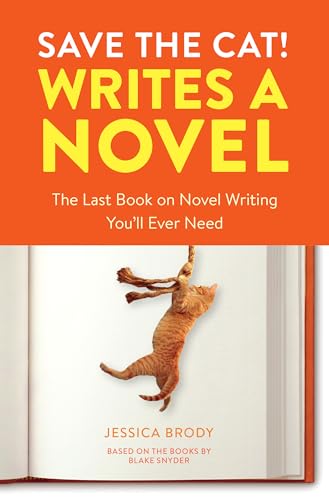
Save the Cat! Writes a Novel
Jessica Brody
The last book on novel writing you'll ever need. Blake Snyder's beat sheet adapted for fiction.
Affiliate link — we may earn a small commission at no extra cost to you.
Sponsored
Frequently Asked Questions
Ready to understand your writing voice?
MyAuthorVoice generates structured reports — Path, Expansion, and Blueprint — that give you a clear picture of your creative identity, thematic range, and writing architecture.
Keep reading
Advertisement
Get writing insights in your inbox
New articles on voice, craft, and creative identity — no noise, no upsells.

As an Amazon Associate and Bookshop.org affiliate, MyAuthorVoice earns from qualifying purchases at no extra cost to you. Bookshop.org supports independent bookstores.
Sponsored
This site was created by Manus AI — an autonomous agent that builds full-stack apps, writes content, and runs workflows without writing a single line of code yourself.
Try Manus Free →