How to Identify the Themes You Return to in Your Writing: A Definitive Guide for Serious Authors
MyAuthorVoice Editorial
Writing craft & author identity
Identifying the recurring themes in your writing involves a deliberate process of self-reflection and analytical review of your body of work. By examining character motivations, conflict patterns, symbolic imagery, and emotional undercurrents across multiple pieces, you can uncover the core ideas an
How to Identify the Themes You Return to in Your Writing: A Definitive Guide for Serious Authors
Identifying the recurring themes in your writing involves a deliberate process of self-reflection and analytical review of your body of work. By examining character motivations, conflict patterns, symbolic imagery, and emotional undercurrents across multiple pieces, you can uncover the core ideas and concerns that inherently drive your creative output, revealing the bedrock of your unique authorial perspective.
Table of Contents
- The Unseen Threads: Why Recurring Themes Matter
- Deconstructing Your Narrative: A Step-by-Step Approach to Theme Identification
- Beyond the Obvious: Distinguishing Themes from Tropes and Motifs
- Thematic Evolution: How Your Core Ideas Develop Over Time
- Leveraging Your Thematic Signature for Deeper Impact
- Frequently Asked Questions About Identifying Writing Themes
- Ready to Understand Your Writing Voice?
The Unseen Threads: Why Recurring Themes Matter
For many writers, the process of creation feels intuitive, a flow state where ideas coalesce and narratives unfold almost organically. Yet, beneath the surface of plot and character, there exist deeper currents—the recurring themes that give your work its distinctive resonance. These aren't merely plot devices or character traits; they are the underlying philosophical questions, moral dilemmas, and human experiences that you, as an author, are compelled to explore repeatedly, often without conscious intent. Understanding these thematic threads is not an exercise in academic dissection; it is a profound journey into the heart of your creative identity.
Identifying these recurring themes is crucial for several reasons. Firstly, it provides a clearer understanding of your artistic purpose. When you recognize the persistent questions or concerns that animate your stories, you gain insight into what truly drives you to write. This self-awareness can be incredibly empowering, helping you to lean into your strengths and develop a more cohesive body of work. It allows you to move beyond simply telling a story to articulating a consistent worldview, even if that worldview is complex or contradictory. This deeper understanding is a core component of what we explore in the MyAuthorVoice Path report, which helps writers define their creative identity and voice.
Secondly, recognizing your thematic patterns enables you to write with greater intentionality and depth. Instead of stumbling upon themes, you can consciously weave them into your narratives, enriching your plots and character arcs. This doesn't mean forcing a theme, but rather recognizing its natural emergence and then amplifying its presence to create a more resonant and impactful story. When themes are consciously explored, they elevate the reader's experience, inviting contemplation and leaving a lasting impression. Consider an author who consistently explores themes of redemption; once aware of this pattern, they can craft scenarios that challenge their characters' capacity for change in increasingly nuanced ways, rather than simply repeating similar plot beats.
Finally, identifying your recurring themes helps you to connect with your ideal readers. Readers are often drawn to authors who explore ideas that resonate with their own experiences or intellectual curiosities. When your thematic concerns are clear and consistently present, you attract an audience that appreciates the depth and perspective you bring to your stories. This creates a stronger bond between author and reader, fostering loyalty and anticipation for your next work. It transforms your writing from a series of isolated stories into a coherent artistic statement, a signature that readers learn to recognize and cherish.
Deconstructing Your Narrative: A Step-by-Step Approach to Theme Identification
Uncovering the thematic bedrock of your writing requires a systematic approach, moving from broad observation to granular analysis. This isn't about finding a single "correct" answer, but rather building a comprehensive understanding of the conceptual frameworks that underpin your creative output.
Step 1: Gather Your Body of Work
Begin by collecting a significant portion of your completed writing. This should include novels, short stories, essays, screenplays, or even extensive journal entries if they reflect narrative or conceptual exploration. The more material you have, the clearer the patterns will emerge. Avoid limiting yourself to only your "best" work; sometimes, early or less polished pieces can reveal foundational thematic interests before they become more refined. Print them out if you prefer to annotate physically, or use digital tools for highlighting and note-taking.
Step 2: Read for Resonance, Not Just Plot
Re-read your collected works, but this time, shift your focus. Instead of following the plot or evaluating character development, pay attention to the ideas that seem to surface repeatedly. What questions are your characters grappling with? What moral dilemmas do they face? What larger societal or existential issues do your stories implicitly or explicitly address? Look for recurring conflicts, symbolic objects, significant settings, or emotional states that appear across different pieces. For example, if multiple protagonists struggle with inherited trauma, or if natural landscapes consistently represent freedom or confinement, these are thematic indicators.
Step 3: Identify Core Conflicts and Character Motivations
Themes often manifest through conflict and character drive. What are the fundamental struggles your characters endure? Are they fighting against injustice, seeking belonging, grappling with identity, or striving for power? What motivates their actions and decisions? If many of your characters are driven by a desperate need for acceptance, or consistently confront systems of oppression, then "belonging" or "justice" could be a core theme. Similarly, if characters frequently make sacrifices for loved ones, "love" or "self-sacrifice" might be at play. Note down these recurring conflicts and motivations as you encounter them.
Step 4: Map Recurring Imagery, Symbols, and Metaphors
Beyond direct statements, themes are often conveyed through symbolic language. Do certain images, objects, or metaphors appear repeatedly in your work? A broken mirror might symbolize fragmented identity, a journey through a forest could represent a search for truth, or a recurring storm might signify internal turmoil. These symbolic patterns act as thematic shorthand, reinforcing the deeper ideas you're exploring. Keep a running list of these motifs and consider what abstract concepts they point towards.
Step 5: Articulate Potential Themes as Abstract Concepts
Once you've gathered your observations, begin to articulate them as abstract concepts. Don't just list plot points; think about the underlying ideas. Instead of "a character runs away from home," consider "the search for autonomy" or "the burden of responsibility." Instead of "a detective solves a murder," think about "the nature of truth" or "the consequences of deception." Aim for single words or short phrases that encapsulate broad ideas: redemption, loss, identity, freedom, power, sacrifice, memory, alienation, hope, justice, family, transformation.
Step 6: Cross-Reference and Refine
Now, compare your list of potential themes across all your collected works. Which themes appear in multiple pieces? Which ones feel most central and pervasive? Eliminate themes that only appear once or twice, or that feel like sub-themes of a larger concept. Group similar ideas together. For instance, "loneliness" and "isolation" might both fall under the broader theme of "alienation." This refinement process helps you distill your observations into a concise and accurate list of your core recurring themes. This analytical step is precisely what the MyAuthorVoice Expansion report is designed to help you with, providing an objective view of your thematic range.
Step 7: Test Against Your Intent
Finally, reflect on your identified themes. Do they resonate with your own sense of what you're trying to achieve as a writer? Do they feel authentic to your creative voice? Sometimes, themes emerge unconsciously, and recognizing them can be a revelation. Other times, you might have been consciously exploring a theme, and this process simply confirms it. This final step of self-reflection helps solidify your understanding and allows you to integrate this knowledge into your future writing practice.
Beyond the Obvious: Distinguishing Themes from Tropes and Motifs
When analyzing your own work, it's easy to conflate themes with other narrative elements like tropes and motifs. While all three contribute to the richness of a story, understanding their distinct roles is crucial for accurate thematic identification. A theme is the underlying message, central idea, or universal truth explored in a piece of writing. It's an abstract concept that the narrative illuminates. Tropes and motifs, however, are concrete narrative devices that can serve to express a theme, but are not themes themselves.
Let's consider the differences:
| Feature | Theme | Trope | Motif |
|---|---|---|---|
| Definition | The central idea, message, or universal truth. | A commonly recurring plot device, character type, or narrative convention. | A recurring image, idea, symbol, or pattern that develops or explains a theme. |
| Nature | Abstract concept, philosophical question. | Concrete narrative pattern, recognizable cliché. | Concrete, symbolic, recurring element. |
| Function | Explores a universal human experience or idea. | Provides narrative shorthand, fulfills reader expectations. | Reinforces, develops, or hints at a theme. |
| Example (General) | Love conquers all; the corrupting influence of power; the search for identity. | The "chosen one" prophecy; the "reluctant hero"; the "damsel in distress." | A recurring raven (symbolizing death/fate); a specific color (symbolizing passion/danger); a repeated phrase. |
| Example (Specific) | The destructive nature of unchecked ambition. | A character who makes a deal with a devil. | The repeated image of a wilting flower throughout a story about loss. |
A trope is a recognizable pattern or convention that appears frequently in storytelling. For example, "the wise old mentor" is a character trope. While a wise old mentor might guide a protagonist through a journey of self-discovery, "self-discovery" is the theme, and the mentor is merely a vehicle for its exploration. If you notice many of your stories feature characters who are "fish out of water," that's a trope. The theme behind it might be "alienation," "adaptation," or "the struggle for belonging." Tropes are shortcuts, often used to quickly establish character or plot, but they don't inherently carry the deeper meaning of a theme.
A motif, on the other hand, is a recurring element—an image, sound, action, or idea—that has symbolic significance and contributes to the development of a theme. For instance, in a story exploring the theme of "the fragility of innocence," a recurring motif might be a broken toy or a wilting garden. These concrete images don't state the theme, but they illustrate and reinforce it. If you consistently use birds as a motif in your writing, representing freedom or escape, then "freedom" or "escape" could be a recurring theme, with the birds acting as its symbolic expression.
The key distinction lies in abstraction versus concreteness. Themes are abstract ideas; tropes and motifs are concrete elements used to convey those ideas. When identifying your recurring themes, strive to articulate the abstract concepts your stories are grappling with, rather than simply listing the common narrative devices or symbolic images you employ. These devices are important, but they are the how and what of your storytelling, while themes are the why.
Thematic Evolution: How Your Core Ideas Develop Over Time
Just as a writer's craft evolves with practice and experience, so too do their thematic concerns. The themes you explored in your earliest works might still be present in your most recent, but their treatment, nuance, and complexity are likely to have deepened. This thematic evolution is a natural and often unconscious process, reflecting your own growth as an individual and an artist. Recognizing this trajectory can offer profound insights into your creative journey.
Consider a writer who, in their youth, consistently explored the theme of "rebellion against authority." Their early stories might feature straightforward protagonists challenging clear-cut villains or oppressive systems. The conflict is often external, and the resolution might be a simple victory or defeat. As this writer matures, their understanding of authority and rebellion might become more nuanced. They might begin to explore the complexities of power dynamics, the internal conflicts of those in authority, or the moral ambiguities of rebellious acts. The theme hasn't disappeared, but its presentation has become richer, perhaps shifting from "rebellion against authority" to "the ethics of power" or "the cost of challenging the status quo."
Case Study: Octavia E. Butler — [Early works like Patternmaster and Kindred explored themes of power dynamics, survival, and identity within oppressive systems]. After [decades of writing and personal growth], [her later works like Parable of the Sower and Parable of the Talents deepened these themes to include community building, ecological collapse, and the search for hope in dystopian futures, showing a thematic evolution from individual survival to collective resilience].
This evolution can manifest in several ways:
- Increased Nuance and Complexity: Themes move from black-and-white portrayals to exploring shades of gray. What once seemed a simple concept becomes multifaceted. For example, "love" might evolve from romantic idealism to encompass familial bonds, self-love, conditional love, or even destructive love.
- Shift in Perspective: The same theme might be explored from different angles. An author initially focused on the victim's perspective of "injustice" might later write from the perpetrator's or bystander's viewpoint, offering a more holistic examination.
- Broadening Scope: A theme initially explored in a personal or micro context might expand to a societal or macro level. "Family secrets" could evolve into "the burden of historical legacy" or "generational trauma."
- Interweaving with New Themes: As a writer's interests expand, existing themes might merge with new ones, creating richer thematic tapestries. The theme of "loss" might interweave with "memory" and "healing," for example.
- Refined Philosophical Stance: Over time, an author's philosophical stance on a particular theme might become more defined, or conversely, more questioning. They might move from offering clear answers to posing profound questions, reflecting a deeper engagement with the subject matter.
To trace your own thematic evolution, review your body of work chronologically. Note down the primary themes in your earliest pieces, then your middle works, and finally your most recent. Ask yourself:
- How has my understanding of this theme changed?
- Are there new dimensions I'm exploring now that I wasn't before?
- Have my characters' responses to these themes become more complex?
- Am I still asking the same questions, or have the questions themselves evolved?
Understanding this evolution not only provides a retrospective map of your creative journey but also informs your future writing. It helps you recognize where your thematic interests are heading and allows you to consciously guide that development, ensuring your work continues to grow in depth and resonance. This kind of deep dive into your thematic range is precisely what the MyAuthorVoice Expansion report is designed to illuminate, helping you see the patterns and progression of your core ideas.
Leveraging Your Thematic Signature for Deeper Impact
Once you've identified the recurring themes in your writing, the next step is to consciously leverage this thematic signature to enhance your work's depth, coherence, and impact. This isn't about rigidly adhering to a formula, but rather about understanding the core of your artistic voice and using that knowledge to write with greater purpose and resonance. Your thematic signature is what makes your work uniquely yours, and recognizing it allows you to amplify its power.
Firstly, use your thematic signature to guide your story development. When brainstorming new ideas, consider how they might naturally intersect with your established themes. If "the search for belonging" is a recurring theme, you might intentionally craft characters who are outsiders or plots that involve forming unconventional communities. This doesn't mean every story must be a direct allegory for your theme, but rather that your themes can provide a fertile ground for new narratives. Knowing your themes can also help you make difficult plot decisions, ensuring that character actions and story events contribute meaningfully to the overarching ideas you wish to explore.
Secondly, your thematic signature can help you deepen character arcs. Characters are often the embodiment of a story's themes. If "redemption" is a core theme, ensure your protagonists grapple with past mistakes and undergo genuine transformation. If "the cost of ambition" is your theme, show how your characters' desires lead to both triumphs and devastating losses. By aligning character motivations and struggles with your thematic concerns, you create more believable, complex, and emotionally resonant individuals. Their internal journeys become reflections of the larger ideas you're exploring, making the story feel more cohesive and profound.
📚 Recommended: Platform: Get Noticed in a Noisy World by Michael Hyatt — This book helps authors understand how to build an audience by clarifying their message and unique value proposition, which includes their thematic focus. Amazon link
Thirdly, leverage your themes to create a cohesive body of work. Readers often gravitate towards authors whose entire oeuvre explores similar ideas, even if the genres or settings vary. Think of authors like Stephen King and his persistent exploration of fear, trauma, and the supernatural in everyday life, or Margaret Atwood and her examination of power, gender, and dystopian societies. Their individual works stand alone, but together, they form a powerful thematic statement. By consciously weaving your themes across multiple projects, you build a recognizable authorial brand and offer your readers a consistent, evolving intellectual and emotional experience. This consistency helps readers understand what to expect from your work and why it resonates with them, fostering a deeper connection.
Finally, your thematic signature can enhance your authorial voice and marketing. When you understand what drives your writing, you can articulate it more clearly to agents, publishers, and readers. Instead of saying, "I write fantasy novels," you can say, "I write fantasy novels that explore themes of inherited trauma and the resilience of the human spirit in the face of overwhelming odds." This specificity not only distinguishes you but also attracts the right audience—those who are genuinely interested in the ideas you're exploring. It allows you to speak authentically about your work and its purpose, creating a stronger connection with your readership. This clarity of purpose is a hallmark of a strong author voice, a concept central to the MyAuthorVoice Path report.
Frequently Asked Questions About Identifying Writing Themes
Q: What's the difference between a theme and a topic? A: A topic is the subject matter of a story (e.g., war, love, family), while a theme is the underlying message or insight the story offers about that topic (e.g., "war is futile," "love requires sacrifice," "family can be both a burden and a blessing"). Themes are abstract ideas, topics are concrete subjects.
Q: Can a story have multiple themes? A: Absolutely. Most complex stories explore several themes simultaneously. There might be a primary overarching theme and several secondary or supporting themes that enrich the narrative and provide depth.
Q: Do I need to identify my themes before I start writing? A: Not necessarily. Many writers discover their themes organically during the writing process, or even in retrospect. However, understanding your recurring themes can help you write with greater intentionality and focus in future projects.
Q: What if my themes seem contradictory? A: Contradictory themes are often a sign of sophisticated writing. Life itself is full of contradictions, and exploring them can lead to profound insights. For example, a theme of "hope" might coexist with a theme of "despair," creating a nuanced exploration of the human condition.
Q: How can I avoid being too preachy with my themes? A: Themes should emerge naturally from the story, characters, and conflicts, rather than being explicitly stated or lectured. Show, don't tell. Allow readers to discover and interpret the themes themselves, which makes the experience more engaging and impactful.
Q: Is it possible to have no recurring themes? A: While less common for prolific writers, it's possible if your interests are extremely disparate. More often, a lack of identified recurring themes means you haven't looked deeply enough, or your themes are very subtle. Every writer has a unique perspective that tends to surface.
Q: How can MyAuthorVoice help me identify my themes? A: The MyAuthorVoice Expansion report specifically analyzes your body of work to identify your core thematic range, showing you the recurring ideas, questions, and concerns that underpin your writing, giving you an objective view of your creative landscape.
Q: Should I force myself to write about certain themes once I identify them? A: No, forcing themes can lead to inauthentic or contrived writing. The goal is to understand what you naturally gravitate towards, then consciously amplify and refine those themes in your future work, allowing them to emerge organically from your creative impulses.
📚 Recommended: The Writer's Journey: Mythic Structure for Storytellers & Screenwriters by Christopher Vogler — This classic text explores universal narrative patterns and archetypes, which are often the vehicles for recurring themes in storytelling. Amazon link
Ready to Understand Your Writing Voice?
Uncovering the recurring themes in your writing is a powerful step towards understanding your unique authorial voice and artistic purpose. It's a journey of self-discovery that can transform your writing practice, leading to greater depth, coherence, and impact. If you're ready to gain a clear, data-driven understanding of your creative identity, thematic range, and structural tendencies, MyAuthorVoice offers comprehensive reports designed for serious writers like you. Take the intake today and begin to see your writing through a new lens. start your report
Advertisement
As an Amazon Associate and Bookshop.org affiliate, MyAuthorVoice earns from qualifying purchases at no extra cost to you. Bookshop.org supports independent bookstores.
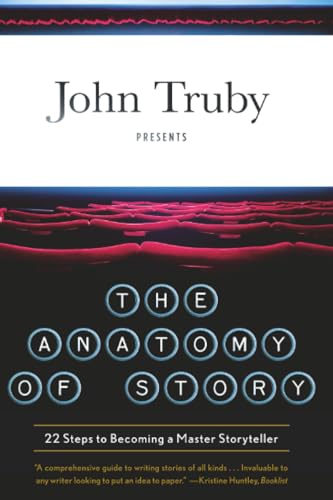
The Anatomy of Story
John Truby
Twenty-two steps to becoming a master storyteller. The most comprehensive guide to story structure available.
Affiliate link — we may earn a small commission at no extra cost to you.
Sponsored
Frequently Asked Questions
Ready to understand your writing voice?
MyAuthorVoice generates structured reports — Path, Expansion, and Blueprint — that give you a clear picture of your creative identity, thematic range, and writing architecture.
Keep reading
theme
The Emotional Core of Your Writing: How to Identify What Your Stories Are Really About
3900+ words
theme
How Unprocessed Trauma Shapes a Writer's Recurring Themes: A 2024 Guide for Serious Authors
4200+ words
theme
How to Identify the Themes You Return to in Your Writing: A Definitive Guide for Serious Authors
3400+ words
Advertisement
Get writing insights in your inbox
New articles on voice, craft, and creative identity — no noise, no upsells.

As an Amazon Associate and Bookshop.org affiliate, MyAuthorVoice earns from qualifying purchases at no extra cost to you. Bookshop.org supports independent bookstores.
Sponsored
This site was created by Manus AI — an autonomous agent that builds full-stack apps, writes content, and runs workflows without writing a single line of code yourself.
Try Manus Free →