How to Write a Second Book When Your First Book Defined You: A Guide for Serious Authors
MyAuthorVoice Editorial
Writing craft & author identity
Navigating the landscape of a second book after a defining debut can feel like charting unknown territory, but it's a common and surmountable challenge. The key lies in understanding how your creative identity has evolved, strategically managing expectations, and consciously expanding your thematic
How to Write a Second Book When Your First Book Defined You: A Guide for Serious Authors
Navigating the landscape of a second book after a defining debut can feel like charting unknown territory, but it's a common and surmountable challenge. The key lies in understanding how your creative identity has evolved, strategically managing expectations, and consciously expanding your thematic and stylistic range without abandoning the core appeal that resonated with your initial readership.
Table of Contents
- The Weight of Expectation: When Your Debut Casts a Long Shadow
- Deconstructing Your Defining Work: Identifying Your Core Appeal
- Reclaiming Your Narrative: Shifting from Defined to Evolved
- Strategies for Thematic and Stylistic Expansion
- Navigating Reader and Industry Expectations
- The Practical Path Forward: A Step-by-Step Approach to Book Two
- Embracing the Evolution: Your Creative Future Beyond the Shadow
The Weight of Expectation: When Your Debut Casts a Long Shadow
For many authors, the first book is a culmination of years of thought, passion, and often, a lifetime of experiences distilled onto the page. When that debut not only finds an audience but also comes to define the author in the public consciousness, it presents a unique set of challenges for the subsequent work. This isn't merely about avoiding the "sophomore slump"; it's about navigating the psychological and creative pressure of living up to, or intentionally diverging from, a perceived masterpiece. Readers, critics, and even your own internal editor will inevitably compare your next offering to the work that first captivated them. They might expect more of the same, or conversely, they might anticipate a complete reinvention. This tension can be paralyzing, leading to self-doubt, creative blocks, and an overwhelming sense that whatever you write next will either be a pale imitation or an unrecognizably different beast.
The shadow cast by a successful debut isn't always negative. It often brings with it a built-in audience, established credibility, and a platform that new authors can only dream of. However, it also creates a narrative around who you are as a writer that can feel restrictive. If your first book was a gritty crime novel, readers might struggle to accept a whimsical fantasy from your pen. If you became known for a particular historical period, venturing into contemporary fiction might be met with skepticism. This isn't to say such transitions are impossible, but they require a deliberate and thoughtful strategy. The core struggle here is one of identity: how do you honor the writer you were when you wrote your defining work, while also allowing yourself the space to grow, experiment, and reveal the writer you are becoming? The answer lies not in ignoring the past, but in understanding its components and consciously weaving them into a broader, more expansive creative tapestry.
Deconstructing Your Defining Work: Identifying Your Core Appeal
Before you can effectively move beyond the shadow of your first book, it's crucial to understand precisely why it resonated so deeply. This isn't about replicating its success, but dissecting its DNA to identify the fundamental elements that captivated readers. This process requires a degree of objective self-analysis, stepping back from your personal attachment to the work and viewing it through the lens of your audience. What was the core emotional experience it offered? Was it the intricate plot, the distinctive voice, the compelling characters, the unique world-building, or perhaps a profound thematic exploration? Often, it's a combination of these elements, but there's usually one or two that stand out as the primary drivers of its impact.
Consider the specific feedback you received. Did readers praise your prose style, your ability to craft suspense, your insightful character psychology, or the way you tackled a particular social issue? Look beyond superficial compliments and delve into the how and why. For instance, if readers loved your protagonist, was it their vulnerability, their resilience, their wit, or their moral ambiguity? If they adored your world, was it the intricate magic system, the rich historical detail, or the immersive atmosphere? Identifying these core appeals allows you to understand the foundational strengths that define your authorial signature, regardless of genre or specific subject matter. This isn't about being pigeonholed; it's about recognizing the consistent threads that run through your creative output, even as you explore new territories. MyAuthorVoice's Path report can be particularly insightful here, helping authors understand their creative identity and unique voice by analyzing their existing work, providing a structured framework for this kind of deconstruction.
Case Study: J.K. Rowling — Before Harry Potter, she was an unknown writer with a compelling story. After publishing Harry Potter and the Sorcerer's Stone, she became synonymous with children's fantasy. Her core appeal was identified as intricate world-building, relatable character arcs, and a profound exploration of good vs. evil. This understanding allowed her to later explore adult fiction (as Robert Galbraith) by maintaining strong character development and intricate plotting, even while shifting genre and tone.
Reclaiming Your Narrative: Shifting from Defined to Evolved
The challenge of the second book is not just about writing a good story; it's about reclaiming your authorial narrative. When your first book defines you, it often creates a singular, perhaps even rigid, public perception of your identity as a writer. To move forward, you must consciously shift this narrative from "the author of X" to "an author who explores Y, Z, and also X." This isn't about repudiating your past work, but rather integrating it into a broader, more dynamic understanding of your creative self. It's about demonstrating that your talent isn't limited to one particular story or style, but is a versatile force capable of manifesting in diverse forms.
This reclamation begins internally. You must first convince yourself that you are more than your most famous work. This often involves a period of introspection, exploring what new themes beckon, what different genres spark your interest, or what unexplored facets of your creative voice yearn for expression. This internal shift then needs to be communicated, subtly but effectively, to your audience. This could involve discussing your evolving interests in interviews, sharing glimpses of your new work's direction on social media, or even writing essays that articulate your broader artistic vision. The goal is to gently guide your readers' expectations, preparing them for an evolution rather than a mere repetition. The MyAuthorVoice Expansion report can be instrumental in this phase, helping authors identify their thematic range and potential for growth, moving beyond their established comfort zones. This report analyzes your existing work to reveal underlying thematic patterns and suggests avenues for exploring new but resonant territory, ensuring your evolution feels authentic rather than forced.
Strategies for Thematic and Stylistic Expansion
Expanding your thematic and stylistic range for your second book requires deliberate effort and a willingness to step outside your comfort zone. This doesn't mean abandoning everything that made your first book successful; rather, it means identifying the core elements of your authorial voice and applying them to new contexts or with different inflections.
Here are some strategies to consider:
- Shift the Lens: If your first book focused on a grand, epic scale, perhaps your second could explore a more intimate, character-driven story within a similar world, or vice-versa. If you wrote from a single perspective, try multiple points of view.
- Explore a Related Genre: Instead of a complete genre leap, consider a subgenre that allows for stylistic variation. A historical fiction author might try historical fantasy; a literary fiction author might explore a character-driven mystery. This allows you to retain some familiar elements while introducing new ones.
- Invert a Core Trope: Take a central theme or trope from your first book and explore its opposite or a different facet. If your first book was about heroism, your second could explore anti-heroes or the moral ambiguities of power. This shows depth and intellectual curiosity.
- Experiment with Narrative Structure: Your first book might have been linear. For your second, consider non-linear timelines, epistolary formats, or fragmented narratives. This stylistic shift can signal a new direction without necessarily changing your core subject matter.
- Deepen a Minor Element: Was there a minor character, a fleeting setting, or an unexplored idea in your first book that intrigued you? Your second book could elevate that element to the forefront, demonstrating continuity while offering something fresh.
- Collaborate (Carefully): For some, a collaboration can be a way to explore new styles or genres with the support of another voice, though this requires careful consideration of branding and authorial credit.
The key is to find a balance between familiarity and novelty. You want to offer your established readers something they recognize as you, but also something that demonstrates growth and artistic ambition. This thoughtful expansion ensures that your second book isn't just "more of the same," but a genuine evolution of your craft.
Navigating Reader and Industry Expectations
The pressure to deliver a second book that satisfies both your existing readership and the publishing industry can be immense. Readers, having formed a strong connection with your debut, often arrive with preconceived notions of what your next work should be. The industry, including agents, editors, and booksellers, is looking to capitalize on your previous success, often preferring a clear continuation or a project that fits neatly into a marketable category. Successfully navigating these expectations requires a blend of artistic integrity and strategic communication.
Firstly, understand that you cannot please everyone. Some readers will always prefer your first book, no matter what you write next. Your primary responsibility is to your artistic vision and the story you feel compelled to tell. However, this doesn't mean ignoring your audience entirely. Engage with your readers through newsletters, social media, or Q&As. Share your creative journey, hint at the new directions you're exploring, and explain why this new story excites you. This transparency can help bridge the gap between their expectations and your evolving reality.
Secondly, work closely with your agent and editor. They are your allies in presenting your new work to the world. Be clear about your artistic intentions and discuss how your second book both connects to and diverges from your debut. They can help you craft a compelling pitch that highlights the evolution of your craft while still appealing to your established fanbase. Sometimes, a strategic title change, cover design, or marketing angle can signal a shift in tone or genre more effectively than words alone. The goal is to manage the narrative around your new book before it's released, setting appropriate expectations and framing it as a natural, exciting progression in your authorial journey.
Comparison of Approaches to the Second Book
| Approach | Description | Pros | Cons |
|---|---|---|---|
| Direct Sequel | Continues the story, characters, and world of the first book. | Satisfies existing fans, leverages established brand, easier marketing. | Risks being seen as repetitive, limits creative growth, may disappoint if not as strong as the first. |
| Thematic Cousin | Explores similar themes or genre elements but with new characters, setting, or a different angle. | Demonstrates range while retaining core appeal, can attract new readers, allows for creative freedom. | Might confuse readers expecting a direct continuation, requires careful positioning to explain the connection. |
| Genre Shift | A complete departure in genre, style, and often theme. | Shows immense versatility, can attract an entirely new audience, revitalizes author's creative energy. | Risks alienating existing fanbase, requires rebuilding a new audience, marketing challenges for a "new" author. |
| Deep Dive | Focuses on a minor character, subplot, or unexplored aspect from the first book, expanding its scope. | Offers continuity and novelty, rewards loyal readers with deeper insights, feels organic. | May not appeal to readers who only cared for the main plot/characters, could feel like a niche offering. |
The Practical Path Forward: A Step-by-Step Approach to Book Two
Writing your second book, especially under the shadow of a defining debut, requires a structured and intentional approach. It's not just about sitting down and writing; it's about strategic planning, creative exploration, and disciplined execution.
Step 1: Reflect and Reconnect with Your Core "Why" Before you write a single word, take time to reflect. Why do you write? What stories are you truly passionate about telling now? Your first book likely stemmed from a deep well of inspiration. Revisit that well, but also explore new sources. What questions are you grappling with? What fascinates you? This introspection helps you identify new thematic territories or fresh angles on familiar ones, ensuring your next project comes from a place of genuine creative hunger, not just obligation. This is where a MyAuthorVoice Path report can be incredibly valuable, offering insights into your creative identity and helping you articulate your core motivations and unique authorial voice.
Step 2: Brainstorm Without Judgment Allow yourself a period of unrestrained brainstorming. Don't censor ideas based on whether they "fit" your previous work or what readers expect. Jot down every concept, character, setting, or theme that sparks your interest. Explore different genres, narrative structures, and points of view. This phase is about generating options, not committing to a single path. Use mind maps, free writing, or even just long walks to let your imagination roam freely.
Step 3: Identify Overlapping Strengths and New Directions Once you have a collection of ideas, analyze them in relation to your defining first book. What are the common threads? Do any of these new ideas allow you to leverage your established strengths (e.g., character development, world-building, prose style) while exploring a new subject or genre? Look for the sweet spot where your unique authorial voice can shine in a fresh context. This is where the MyAuthorVoice Expansion report can provide structure, helping you map your thematic range and identify potential growth areas that resonate with your core identity.
Step 4: Outline and Experiment Choose one or two promising ideas and develop detailed outlines for them. Don't be afraid to experiment with different approaches. Write a few sample scenes or chapters for each. This allows you to test the waters, see which idea truly holds your interest, and identify potential challenges before committing fully. This experimental phase is crucial for ensuring the project has the longevity and depth required for a full novel.
Step 5: Seek Feedback Strategically Once you have a solid outline and perhaps some early pages, seek feedback from trusted readers, critique partners, or your agent/editor. Be specific about what kind of feedback you need. Are you testing the waters for a new genre? Are you trying a different narrative voice? Frame your request to help them understand your intentions and provide constructive criticism that aligns with your evolving vision. This feedback should inform, not dictate, your creative choices.
Step 6: Commit and Write with Discipline With a clear vision and a chosen path, commit to the writing process. Establish a consistent writing routine, set realistic goals, and protect your writing time. The discipline required for a second book is often greater than the first, as you're battling not just the blank page but also internal and external pressures. Remember that the act of writing itself is a powerful way to solidify your new authorial identity and move beyond the shadow of your past success.
📚 Recommended: 5,000 Words Per Hour: Write Faster, Write Smarter by Chris Fox — This book offers practical, actionable strategies for increasing writing productivity and overcoming common blocks, essential for maintaining momentum on a challenging second project. Amazon link
Embracing the Evolution: Your Creative Future Beyond the Shadow
The journey of writing a second book after a defining debut is ultimately one of embracing evolution. It's an opportunity to deepen your understanding of your own creative identity, to stretch your artistic muscles, and to demonstrate that your talent is not a static entity but a dynamic, growing force. The shadow of your first book can feel daunting, but it also serves as a testament to your ability to connect with readers on a profound level. Your task now is to build upon that connection, inviting your audience to grow with you.
This evolution is not about abandoning the qualities that made your first book special, but rather about integrating them into a broader, more mature authorial voice. It's about finding the courage to explore new themes, experiment with different styles, and challenge yourself in ways that keep your writing vibrant and authentic. Every book you write contributes to the larger tapestry of your career, and each one offers a chance to refine your craft and expand your artistic vision. By thoughtfully deconstructing your past success, strategically planning your future work, and communicating your evolving identity to your audience, you transform the pressure of expectation into the fuel for your next great story.
📚 Recommended: Platform: Get Noticed in a Noisy World by Michael Hyatt — This book provides valuable insights into building and expanding your author platform, crucial for communicating your evolving authorial identity and new projects to a wider audience. Amazon link
FAQ
Q: Is it okay to write a completely different genre for my second book? A: Yes, it is absolutely okay. Many authors successfully transition between genres. The key is to manage reader expectations and clearly communicate your artistic intentions, perhaps by highlighting the underlying thematic or stylistic threads that connect your diverse works.
Q: How do I deal with the fear of disappointing my readers? A: Acknowledge the fear, but don't let it paralyze you. Focus on writing the story you are passionate about. Engage with your audience by sharing your creative journey and explaining your evolving interests, which can help them understand and appreciate your new direction.
Q: Should I use a pseudonym for my second book if it's very different? A: This is a strategic decision. A pseudonym can help you launch a new genre without confusing your existing fanbase, but it also means starting from scratch in terms of building an audience for that new name. Discuss this carefully with your agent and publisher.
Q: How long should I wait between my first and second book? A: There's no fixed rule. Some authors thrive on quick turnarounds, while others need more time for reflection and development. Focus on quality over speed, ensuring your second book is as polished and compelling as your debut.
Q: What if my second book doesn't sell as well as my first? A: Sales fluctuations are common in publishing. Focus on the long game of your career. Each book builds your body of work and contributes to your authorial journey, even if individual sales vary. Learn from the experience and keep writing.
Q: How can I ensure my voice remains consistent even if my genre changes? A: Your authorial voice is deeper than genre. It encompasses your unique perspective, prose style, and thematic preoccupations. By understanding your core creative identity (as illuminated by a MyAuthorVoice Path report), you can maintain that authentic voice across different projects.
Q: Should I ignore reviews of my first book when writing the second? A: It's wise to read reviews with a critical eye. Learn from constructive criticism about craft elements, but don't let individual opinions dictate your creative choices for your next project, especially if they try to steer you away from your artistic vision.
Q: How do I prevent burnout when facing such high expectations? A: Prioritize self-care, set realistic goals, and maintain a strong support system. Remember why you started writing, and allow yourself creative breaks. Focus on the process of creation rather than solely on external outcomes.
Ready to Understand Your Writing Voice?
The journey of an author is one of continuous discovery and evolution. Whether you're grappling with the legacy of a defining debut or simply seeking clarity on your next creative step, understanding your unique authorial voice and thematic range is paramount. MyAuthorVoice offers structured reports designed to illuminate your creative identity (Path), expand your thematic horizons (Expansion), and refine your writing architecture (Blueprint). Take the intake today and embark on a deeper understanding of your craft.
Advertisement
As an Amazon Associate and Bookshop.org affiliate, MyAuthorVoice earns from qualifying purchases at no extra cost to you. Bookshop.org supports independent bookstores.
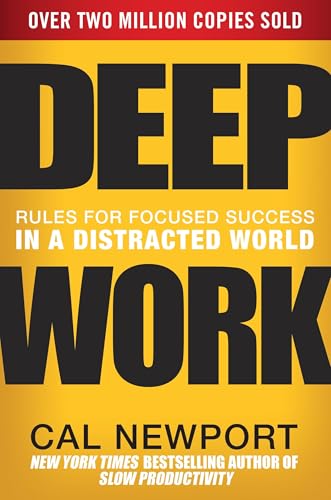
Deep Work
Cal Newport
Rules for focused success in a distracted world. Essential reading for any writer who struggles to find time and focus.
Affiliate link — we may earn a small commission at no extra cost to you.
Sponsored
Frequently Asked Questions
Ready to understand your writing voice?
MyAuthorVoice generates structured reports — Path, Expansion, and Blueprint — that give you a clear picture of your creative identity, thematic range, and writing architecture.
Keep reading
Advertisement
Get writing insights in your inbox
New articles on voice, craft, and creative identity — no noise, no upsells.

As an Amazon Associate and Bookshop.org affiliate, MyAuthorVoice earns from qualifying purchases at no extra cost to you. Bookshop.org supports independent bookstores.
Sponsored
This site was created by Manus AI — an autonomous agent that builds full-stack apps, writes content, and runs workflows without writing a single line of code yourself.
Try Manus Free →