
The Specific Writing Habit That Separates Writers Who Finish from Writers Who Stall
MyAuthorVoice Editorial
Writing craft & author identity
The specific writing habit that separates writers who finish from writers who stall is a consistent, non-negotiable commitment to a daily writing practice, regardless of inspiration or perceived progress. This habit transforms writing from an aspirational activity into a professional discipline, fos
The Specific Writing Habit That Separates Writers Who Finish from Writers Who Stall
The specific writing habit that separates writers who finish from writers who stall is a consistent, non-negotiable commitment to a daily writing practice, regardless of inspiration or perceived progress. This habit transforms writing from an aspirational activity into a professional discipline, fostering the resilience and momentum necessary to navigate the inevitable challenges of a long-form project. It's about showing up, even when the words feel elusive, thereby building an indispensable psychological and practical muscle.
Table of Contents
- The Illusion of Inspiration and the Reality of Discipline
- Defining the Non-Negotiable Writing Block
- The Psychological Architecture of Sustained Output
- Implementing Your Daily Writing Ritual: A Step-by-Step Framework
- Overcoming Resistance: Strategies for Maintaining Momentum
- The Compounding Effect: How Small Habits Yield Monumental Results
- Ready to Understand Your Writing Voice?
The Illusion of Inspiration and the Reality of Discipline
Many aspiring writers operate under the pervasive, yet ultimately detrimental, illusion that writing is primarily an act of inspiration. They wait for the muse to strike, for the perfect idea to coalesce, or for an uninterrupted block of time to magically appear. This approach, while romanticized in popular culture, is precisely what leads to stalled projects, abandoned manuscripts, and the gnawing frustration of unfulfilled creative potential. The reality, as any published author will attest, is that writing is far more akin to a craft or a profession than a spontaneous artistic outburst. It demands discipline, consistency, and a methodical approach, regardless of one's emotional state or the day's perceived creative energy.
The fundamental difference between a writer who finishes a novel, a screenplay, or a comprehensive non-fiction book and one who merely dreams of doing so lies not in talent or intellect, but in the establishment of a non-negotiable, consistent writing habit. This isn't about writing for hours every day, nor is it about producing a certain word count with every session. Instead, it's about the unwavering commitment to show up at the page, or screen, at a designated time, for a designated duration, day after day. This habit transcends the fleeting nature of inspiration, transforming the act of writing from a whimsical pursuit into a foundational component of one's daily life. It builds momentum, reduces the psychological barrier to starting, and, most importantly, accumulates pages.
Consider the analogy of a professional athlete. They don't train only when they feel inspired; they adhere to a rigorous schedule of practice, conditioning, and skill refinement, understanding that consistent effort, even on days when motivation is low, is what builds endurance and mastery. Similarly, a professional writer understands that the act of writing itself is the primary engine of progress. It's in the consistent engagement with the material, the wrestling with words, and the incremental construction of narrative or argument that true breakthroughs occur. Relying solely on inspiration is like a runner waiting for a burst of adrenaline before every training session; it's unsustainable and ultimately unproductive. The habit of showing up, even for a short period, trains the creative mind to be available on demand, rather than waiting for an invitation.
Defining the Non-Negotiable Writing Block
The core of the finishing writer's habit is the establishment of a "non-negotiable writing block." This isn't merely a suggestion or a preference; it's a scheduled, protected period of time dedicated solely to writing, treated with the same reverence and commitment as a critical work meeting or a doctor's appointment. The specifics of this block—its duration, time of day, and even location—will vary from writer to writer, but its fundamental characteristic remains constant: it is inviolable.
For some, this might mean waking an hour earlier than the rest of the household, dedicating the quiet morning hours to their manuscript before the demands of the day intrude. For others, it could be a lunch break spent at a coffee shop with their laptop, or a late-night session once children are asleep. The key is consistency. It's the same time, every day (or every designated writing day), without exception. During this block, all distractions are minimized: phones are silenced, email notifications are turned off, and other tasks are consciously put aside. The sole objective is to engage with the writing project at hand, whether that means drafting new material, revising existing pages, outlining the next chapter, or even simply staring at the screen, grappling with a difficult plot point. The goal is not always immediate output, but consistent engagement.
C
Advertisement


As an Amazon Associate and Bookshop.org affiliate, MyAuthorVoice earns from qualifying purchases at no extra cost to you. Bookshop.org supports independent bookstores.
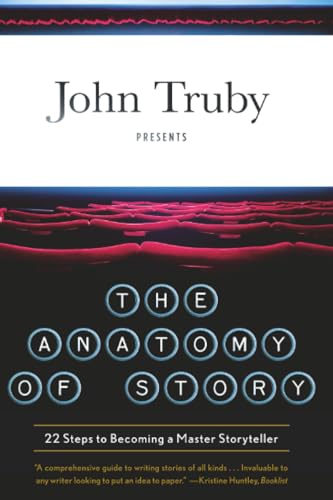
The Anatomy of Story
John Truby
Twenty-two steps to becoming a master storyteller. The most comprehensive guide to story structure available.
Affiliate link — we may earn a small commission at no extra cost to you.
Sponsored
Frequently Asked Questions
Ready to understand your writing voice?
MyAuthorVoice generates structured reports — Path, Expansion, and Blueprint — that give you a clear picture of your creative identity, thematic range, and writing architecture.
Keep reading
Advertisement
Get writing insights in your inbox
New articles on voice, craft, and creative identity — no noise, no upsells.
As an Amazon Associate and Bookshop.org affiliate, MyAuthorVoice earns from qualifying purchases at no extra cost to you. Bookshop.org supports independent bookstores.
Sponsored
This site was created by Manus AI — an autonomous agent that builds full-stack apps, writes content, and runs workflows without writing a single line of code yourself.
Try Manus Free →