Why Writers Who Read Widely Across Genres Develop Stronger Voice Faster
MyAuthorVoice Editorial
Writing craft & author identity
Writers who engage with a diverse array of genres cultivate a stronger and more distinct authorial voice more rapidly because this broad exposure provides a richer palette of narrative techniques, stylistic choices, and thematic approaches to draw upon, fostering a unique synthesis rather than mere
Why Writers Who Read Widely Across Genres Develop Stronger Voice Faster
Writers who engage with a diverse array of genres cultivate a stronger and more distinct authorial voice more rapidly because this broad exposure provides a richer palette of narrative techniques, stylistic choices, and thematic approaches to draw upon, fostering a unique synthesis rather than mere imitation. This expansive literary diet sharpens their critical faculties, allowing them to discern effective writing strategies and adapt them to their own creative identity.
Table of Contents
- The Unseen Architecture of Voice: Beyond Mere Words
- Deconstructing the Craft: How Wide Reading Informs Technique
- Thematic Resonance: Expanding Your Creative Range
- Cultivating Stylistic Agility: A Framework for Exploration
- Avoiding the Echo Chamber: Why Genre-Specific Immersion Limits Growth
- The Synthesis Effect: Forging a Unique Identity
- Ready to Understand Your Writing Voice?
The Unseen Architecture of Voice: Beyond Mere Words
Many emerging writers mistakenly believe that "voice" is an ethereal quality, something either present or absent, or that it emerges solely from their personal experiences. While personal history undeniably shapes perspective, a truly robust and distinct authorial voice is a sophisticated construct, built upon a foundation of deliberate craft, stylistic awareness, and thematic depth. It is not merely a unique turn of phrase or a particular cadence; it is the sum total of how a writer perceives the world, how they choose to articulate that perception, and the underlying philosophy that informs their narrative choices. This complex architecture is profoundly influenced, and indeed accelerated, by reading widely across genres.
Consider the fundamental components of voice: diction, syntax, rhythm, tone, and perspective. Each of these elements can be honed and diversified through exposure to different literary traditions and genre conventions. A writer who reads only contemporary literary fiction, for instance, might develop a nuanced understanding of character psychology and subtle prose, but they might miss the propulsive pacing of a thriller, the world-building ingenuity of fantasy, or the concise emotional impact of poetry. Each genre, in its essence, priorit prioritizes different aspects of storytelling and employs distinct tools to achieve its aims. By engaging with these varied approaches, a writer begins to internalize a broader spectrum of possibilities for their own work. They learn not just what to write, but how to write it in myriad effective ways. This comprehensive understanding forms the bedrock upon which a truly individual and adaptable voice can be built, allowing a writer to consciously choose the most effective tools for their specific narrative, rather than being limited by a narrow set of familiar techniques.
Furthermore, reading widely helps a writer understand their own creative identity within the larger literary landscape. It’s akin to an artist studying various painting styles—from impressionism to cubism to realism—not to imitate them, but to understand the underlying principles of color, form, and composition that transcend any single school. This external perspective allows for a more objective assessment of one's own inclinations and strengths. Without this broad context, a writer might struggle to differentiate their authentic inclinations from mere unconscious mimicry of the few authors they’ve read. The process of identifying one's unique contribution to literature is significantly accelerated when one has a clear view of the vast and varied tapestry of what has already been written. This is precisely what an author voice platform like MyAuthorVoice aims to illuminate, helping writers understand their creative identity and the unique architecture of their writing.
Deconstructing the Craft: How Wide Reading Informs Technique
Reading widely across genres isn't merely about consumption; it's an active process of deconstruction and analysis. When a writer engages with a text from an unfamiliar genre, they are compelled to confront new narrative conventions, stylistic choices, and structural approaches that challenge their preconceived notions of "good writing." This confrontation is invaluable for developing a stronger voice because it forces a writer to move beyond passive enjoyment and into active critical inquiry. They begin to ask not just "What happened?" but "How did the author make that happen?"
Consider the distinct technical demands and opportunities presented by different genres. Science fiction often excels at intricate world-building and speculative philosophy, requiring a precise, often expository, yet engaging prose. Horror thrives on atmosphere, suspense, and psychological manipulation, demanding careful pacing and evocative imagery. Romance focuses on character development, emotional arcs, and dialogue that reveals inner conflict. Literary fiction frequently explores complex themes through nuanced character studies and experimental forms. Each of these genres offers a masterclass in specific aspects of craft.
Case Study: Sarah, an aspiring fantasy writer — struggled with making her dialogue sound natural and distinct for each character. After reading a collection of contemporary literary short stories and several classic detective novels, Sarah began to analyze how authors in these genres used dialogue not just to advance plot, but to reveal character, establish relationships, and build tension. She noticed the subtle rhythms, the unspoken subtext, and the way different social classes or personalities were distinguished through their speech patterns. After this focused reading, her own dialogue became significantly more authentic and varied, with each character possessing a unique verbal fingerprint that enhanced her fantasy world.
By dissecting these varied approaches, a writer accumulates a rich toolkit of techniques. They learn that a "strong voice" isn't a monolithic entity but a flexible instrument capable of adapting to different narrative needs. They might borrow the crisp, economical sentences of a hard-boiled detective novel for a tense action sequence, or the lyrical, descriptive language of a historical romance for a moment of profound emotional reflection. This cross-pollination of techniques prevents their voice from becoming stagnant or predictable, instead fostering an adaptable and dynamic style that can serve a multitude of storytelling purposes. It's about understanding the underlying mechanics of storytelling, regardless of the superficial genre trappings, and then integrating those mechanics into one's unique authorial signature.
Thematic Resonance: Expanding Your Creative Range
A writer’s voice is not solely defined by how they write, but also by what they choose to write about and the unique perspective they bring to those subjects. Reading widely across genres is a powerful catalyst for expanding a writer's thematic range, allowing them to explore a broader spectrum of human experience, philosophical questions, and societal issues. When a writer is exposed to diverse narratives, they encounter new ideas, different cultural contexts, and alternative ways of framing universal themes, which in turn enriches the depth and breadth of their own thematic explorations.
Consider how different genres approach similar themes. The theme of "justice," for instance, might be explored through a courtroom drama focusing on legal precedent, a dystopian novel examining systemic oppression, a fantasy epic depicting the struggle against an evil overlord, or a historical fiction piece detailing a real-life fight for civil rights. Each genre offers a unique lens, a distinct set of conventions, and a particular emotional register through which to examine this fundamental human concept. By engaging with these varied interpretations, a writer can move beyond superficial treatments of themes and delve into their multifaceted complexities. They learn to identify the core questions that resonate across different contexts and discover novel ways to pose or answer them within their own narratives.
This broad thematic exposure directly contributes to a stronger voice by giving it substance and intellectual heft. A voice that can articulate a nuanced understanding of a wide array of human conditions—from the existential dread of a philosophical thriller to the tender intimacy of a romance, from the moral ambiguities of a crime novel to the hopeful resilience of a coming-of-age story—is inherently more compelling and versatile. It signals a writer who is deeply engaged with the world, capable of seeing connections and drawing insights that might elude someone confined to a single genre. This expansion of thematic understanding is a core component of what MyAuthorVoice's Expansion report helps writers uncover, revealing their unique thematic range and potential.
| Thematic Approach | Literary Fiction | Science Fiction | Historical Fiction | Horror |
|---|---|---|---|---|
| Identity | Internal struggle, psychological depth, societal pressures | Post-humanism, AI consciousness, genetic modification | Cultural heritage, societal roles, personal legacy | Loss of self, transformation, monstrous alter-ego |
| Love | Complex relationships, emotional nuance, societal taboos | Interstellar romance, AI companions, ethical dilemmas | Forbidden love, societal expectations, wartime separation | Obsessive love, tragic romance, love as a curse |
| Power | Social hierarchies, political intrigue, personal influence | Dystopian regimes, corporate control, alien empires | Monarchical rule, colonial oppression, revolutionary movements | Ancient evils, supernatural control, psychological dominance |
| Loss | Grief, existential angst, memory and trauma | Extinction events, technological obsolescence, forgotten civilizations | War casualties, cultural erasure, personal tragedy | Hauntings, possessions, the ultimate unknown |
| Hope | Personal resilience, small victories, human connection | Utopian visions, technological solutions, interstellar exploration | Rebuilding societies, overcoming adversity, future generations | Survival against odds, breaking curses, finding light in darkness |
This table illustrates how a single theme can be approached with vastly different narrative tools and perspectives depending on the genre. A writer who has absorbed these diverse approaches will possess a voice capable of far greater thematic sophistication and emotional resonance, allowing them to craft stories that speak to a wider audience on a deeper level.
Cultivating Stylistic Agility: A Framework for Exploration
Developing a strong authorial voice is not about settling into a single, immutable style, but rather about cultivating stylistic agility—the ability to consciously adapt one's prose to suit the specific needs of a scene, character, or narrative moment while retaining an underlying authorial signature. Reading widely across genres is the most effective training ground for this agility, as it exposes writers to a vast lexicon of stylistic choices and demonstrates their impact in various contexts. To systematically leverage wide reading for stylistic development, a structured approach is beneficial.
Here is a framework for cultivating stylistic agility through genre exploration:
Step 1: Identify a Stylistic Element for Study. Begin by choosing a specific stylistic element you wish to explore. This could be anything from sentence length variation, descriptive techniques, dialogue tags, use of metaphor, pacing, or even the handling of exposition. The key is to focus your observation. For example, you might decide to analyze how different authors manage descriptive passages.
Step 2: Select Diverse Genre Samples. Choose three to five books or short stories from distinctly different genres that you suspect handle your chosen stylistic element in unique ways. If you're studying description, you might pick a high fantasy novel (for world-building detail), a minimalist literary short story (for evocative brevity), a horror novel (for atmospheric dread), and a contemporary romance (for character-focused sensory detail). The goal is maximum contrast.
Step 3: Active Reading and Annotation. As you read each selected text, actively highlight, underline, or make notes on how the author employs your chosen stylistic element. For descriptive passages, note the types of sensory details used, the length of sentences, the use of figurative language, and how description contributes to mood or character. Pay attention to the effect these choices have on you as a reader. Does it feel immersive? Distant? Urgent? Lyrical?
Step 4: Comparative Analysis. After reading and annotating your samples, compare your findings. How do the authors' approaches differ? What are the strengths and weaknesses of each method within its genre context? For instance, the sprawling, detailed descriptions of a fantasy novel might feel cumbersome in a fast-paced thriller, just as the sparse, internal descriptions of a literary piece might leave a fantasy reader feeling disoriented. Understand why these choices work or don't work in their respective genres.
Step 5: Experimentation and Integration. Now, take what you've learned and apply it to your own writing. Choose a scene or passage from your current work-in-progress and consciously rewrite it using the techniques you observed from one of your chosen genres. Then, try rewriting it again using techniques from another. The aim is not to imitate, but to understand the mechanics and then integrate them into your own voice. How can you blend the evocative brevity of literary fiction with the world-building richness of fantasy? This iterative process of experimentation will help you discover new facets of your own voice and expand your comfort zone. This process aligns perfectly with the insights gained from a MyAuthorVoice Blueprint report, which helps writers understand their structural and execution tendencies.
By following this framework, writers move beyond passive absorption to active mastery, consciously expanding their stylistic repertoire and developing a voice that is not only strong but also remarkably versatile.
Avoiding the Echo Chamber: Why Genre-Specific Immersion Limits Growth
Many writers, particularly those early in their careers, are advised to "read in their genre." While understanding genre conventions is undoubtedly crucial for commercial success and reader expectation management, an exclusive or overly narrow focus on a single genre can inadvertently stifle the development of a truly distinctive and powerful authorial voice. This genre-specific immersion can create an echo chamber, limiting a writer's exposure to diverse narrative techniques, thematic approaches, and stylistic innovations that flourish outside their chosen niche.
When a writer reads predominantly within one genre, they risk internalizing a limited set of tropes, narrative structures, and stylistic habits. While this can make their work feel "on genre," it can also lead to a voice that is indistinguishable from their peers. They might inadvertently mimic the prevailing trends of their genre, rather than forging a unique path. For example, a fantasy writer who reads only epic fantasy might struggle to develop nuanced character psychology if their primary influences prioritize plot and world-building over internal conflict. Similarly, a romance writer who only reads contemporary romance might find their dialogue lacking the sharp wit or philosophical depth found in other genres. The subtle variations that make a voice truly stand out often come from unexpected sources, from the cross-pollination of ideas and techniques gleaned from disparate literary landscapes.
Furthermore, an echo chamber limits a writer's thematic range. Every genre has its preferred themes and ways of exploring them. By staying within these confines, a writer might miss opportunities to bring fresh perspectives to familiar subjects or to introduce entirely new thematic concerns into their chosen genre. Imagine a thriller writer who only reads thrillers; they might become adept at crafting suspense but miss the opportunity to infuse their work with the social commentary or psychological depth found in literary fiction or even historical drama. The most compelling voices are often those that defy easy categorization, precisely because they draw from a broader wellspring of influences.
To truly develop a strong, adaptable, and unique voice, a writer must consciously break free from the gravitational pull of their primary genre. This doesn't mean abandoning their genre entirely, but rather supplementing their genre-specific reading with a deliberate exploration of other literary forms. It's about seeking out the unexpected, challenging one's own reading preferences, and allowing those diverse influences to subtly, or sometimes dramatically, reshape the contours of their own creative expression. This intentional broadening of horizons is essential for any writer aiming to cultivate a voice that resonates beyond the immediate expectations of a single market. For those seeking to understand their unique creative identity and how it intersects with genre, an author voice platform can provide invaluable insights.
The Synthesis Effect: Forging a Unique Identity
The ultimate benefit of reading widely across genres for voice development lies in what can be termed the "synthesis effect." This is the process by which a writer, exposed to a vast array of narrative techniques, stylistic choices, and thematic approaches, doesn't merely imitate what they've read, but rather internalizes, processes, and then uniquely combines these disparate elements into something entirely new and distinctly their own. A strong authorial voice is not a pure strain; it is a complex alloy, forged from diverse influences and tempered by individual perspective and creative intent.
Consider the analogy of a chef. A chef who only learns to cook one cuisine, no matter how expertly, will have a limited repertoire. But a chef who studies French techniques, Italian flavors, Japanese precision, and Mexican spices can then begin to invent dishes that blend these traditions in innovative ways, creating a signature style that is both recognizable and fresh. The same principle applies to writing. When a writer reads widely, they are essentially collecting a vast library of ingredients and cooking techniques. They learn how different authors build suspense, craft dialogue, describe settings, develop characters, and explore themes. They see how these elements are prioritized and combined in various literary traditions.
The synthesis effect manifests as a writer's ability to:
- Selectively Adapt: They can consciously choose the most effective tools from their expanded toolkit, applying a literary fiction approach to character depth within a fantasy setting, or borrowing the crisp pacing of a thriller for a dramatic moment in a historical novel.
- Innovate Through Juxtaposition: They can combine seemingly disparate elements in novel ways, creating unexpected effects. For instance, infusing the philosophical introspection of literary fiction into a fast-paced science fiction narrative, or bringing the emotional intensity of romance to a mystery novel.
- Develop a Unique Perspective: By seeing how countless authors have approached similar themes or narrative challenges, they gain a clearer understanding of their own unique lens on the world. Their voice becomes not just a style, but a distinct way of seeing and interpreting reality.
This process of synthesis is what allows a writer's voice to transcend mere competence and achieve true distinction. It moves beyond simply "writing well" within a genre to "writing uniquely" within the broader literary landscape. It’s the difference between being a skilled practitioner and an innovator. The more varied the influences, the richer the potential for synthesis, and the more robust and singular the resulting voice. This journey of discovery and synthesis is precisely what MyAuthorVoice helps writers navigate, offering reports that clarify their creative identity, thematic range, and writing architecture. By understanding these core elements, writers can more effectively guide their reading and writing practices toward a truly unique and powerful voice.
📚 Recommended: Platform: Get Noticed in a Noisy World by Michael Hyatt — This book helps writers understand how to build an audience, which is essential for a voice to be heard. Amazon link
📚 Recommended: Scrivener 3 for Mac & Windows by Literature & Latte — Scrivener is a powerful writing software that helps organize complex projects, making it easier to manage diverse influences and structural experiments. Amazon link
Ready to Understand Your Writing Voice?
Developing a strong, distinctive authorial voice is a journey of continuous learning and deliberate practice, profoundly enriched by reading widely across genres. This expansive literary diet provides the raw material—the techniques, themes, and stylistic possibilities—from which a truly unique voice is forged. By actively engaging with diverse narratives, you not only broaden your understanding of craft but also sharpen your critical faculties, allowing you to synthesize these influences into a powerful and authentic expression of your creative identity.
Q: What exactly is "authorial voice"? A: Authorial voice is the unique personality, style, and perspective that a writer brings to their work. It encompasses their diction, syntax, tone, rhythm, and the underlying philosophy that informs their storytelling choices, making their writing recognizable and distinct.
Q: How does reading widely help with voice development? A: Reading widely exposes writers to a vast array of narrative techniques, stylistic approaches, and thematic explorations from different genres. This broad exposure provides a richer palette of tools and perspectives to draw upon, fostering a unique synthesis rather than mere imitation.
Q: Is it okay to only read within my preferred genre? A: While reading within your genre is important for understanding conventions, exclusively doing so can limit your voice development. It risks creating an "echo chamber" where your style might become indistinguishable from others, hindering the growth of a truly unique identity.
Q: What specific elements of writing are improved by wide reading? A: Wide reading improves diction, syntax, rhythm, tone, perspective, pacing, character development, world-building, thematic depth, and the overall structural architecture of your narratives. It offers a masterclass in various aspects of craft.
Q: How can I actively read for voice development, rather than just for enjoyment? A: Actively read by identifying specific stylistic elements to study (e.g., description, dialogue), selecting diverse genre samples, annotating how authors use those elements, comparing their approaches, and then experimenting with those techniques in your own writing.
Q: Will reading too many different genres confuse my voice? A: No, it won't confuse your voice. Instead, it will enrich it. The goal isn't to imitate, but to understand the mechanics and then integrate them into your unique creative identity. Your personal perspective will always filter these influences, resulting in a synthesized, stronger voice.
Q: What if I don't enjoy reading certain genres? A: You don't need to become an avid fan of every genre. Even a few carefully chosen works from an unfamiliar genre can provide significant insights. Approach it as a study, a temporary exploration to learn specific techniques or thematic approaches that you can then adapt.
Q: How can MyAuthorVoice help me understand my voice better? A: MyAuthorVoice offers structured AI-generated reports like the Path report, which illuminates your creative identity and voice, the Expansion report, which reveals your thematic range, and the Blueprint report, which details your writing architecture and execution. These insights provide a clear roadmap for your development.
The journey to a truly strong and resonant authorial voice is deeply personal, yet universally informed by the rich tapestry of literature. If you're ready to move beyond instinct and gain a clear, data-driven understanding of your unique creative identity, thematic range, and writing architecture, MyAuthorVoice is here to guide you. Discover the core elements that make your writing distinct and learn how to amplify them. Explore our writing guides on our blog for more insights, and when you're ready to take the next step in understanding your unique literary fingerprint, we invite you to take the intake for your personalized reports.
Ready to Understand Your Writing Voice? Uncover the nuances of your creative identity, thematic range, and writing architecture with MyAuthorVoice's Path, Expansion, and Blueprint reports. These structured analyses provide the clarity and insight serious writers need to develop a stronger, more distinct voice faster. Start your report today and begin your journey toward profound self-discovery as a writer. Take the intake
Advertisement

As an Amazon Associate and Bookshop.org affiliate, MyAuthorVoice earns from qualifying purchases at no extra cost to you. Bookshop.org supports independent bookstores.
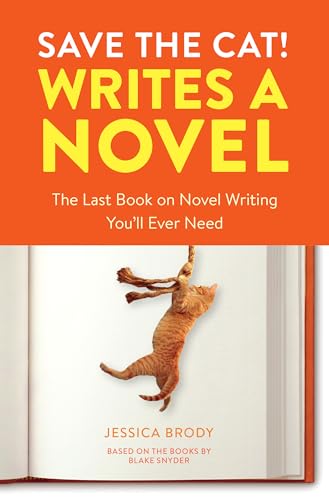
Save the Cat! Writes a Novel
Jessica Brody
The last book on novel writing you'll ever need. Blake Snyder's beat sheet adapted for fiction.
Affiliate link — we may earn a small commission at no extra cost to you.
Sponsored
Frequently Asked Questions
Ready to understand your writing voice?
MyAuthorVoice generates structured reports — Path, Expansion, and Blueprint — that give you a clear picture of your creative identity, thematic range, and writing architecture.
Keep reading
Advertisement
Get writing insights in your inbox
New articles on voice, craft, and creative identity — no noise, no upsells.

As an Amazon Associate and Bookshop.org affiliate, MyAuthorVoice earns from qualifying purchases at no extra cost to you. Bookshop.org supports independent bookstores.
Sponsored
This site was created by Manus AI — an autonomous agent that builds full-stack apps, writes content, and runs workflows without writing a single line of code yourself.
Try Manus Free →